A road trip with a puppy is less about finding the perfect timetable and more about managing a lot of small variables well: restraint, nausea, toilet breaks, sleep, food, temperature, loading and unloading, and how much stimulation the puppy can cope with.
The best puppy road trips are usually the least dramatic ones. A secure setup, sensible pacing and enough flexibility to respond to the puppy in front of you will get you much further than trying to force an adult-dog travel schedule onto a baby.
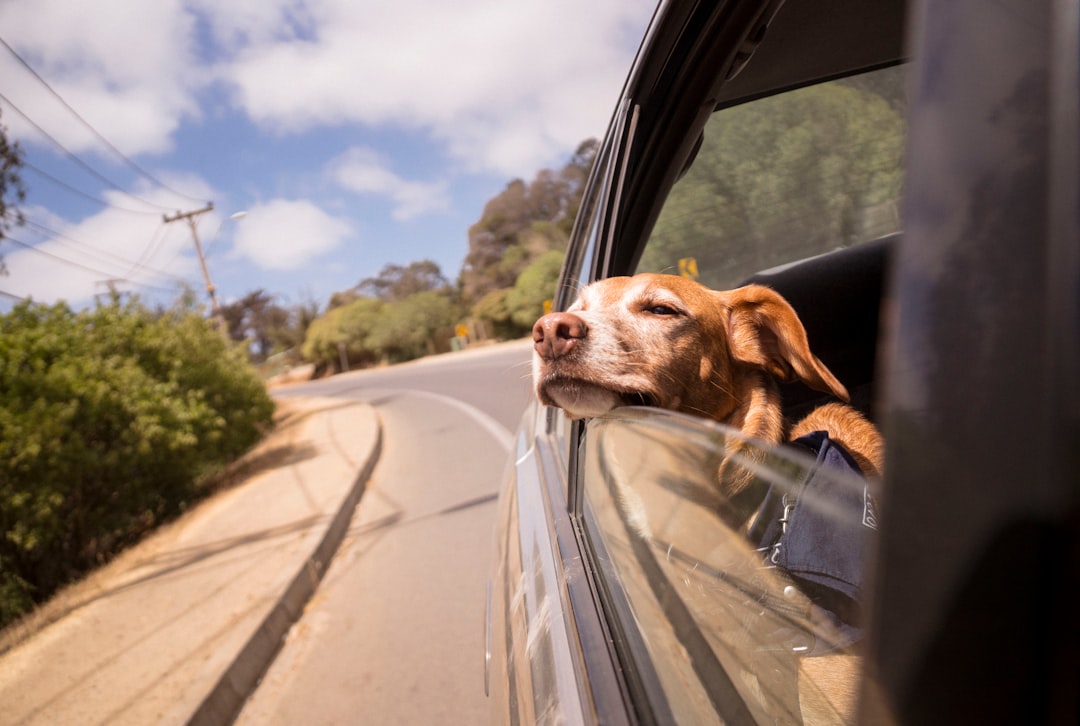
If you are still choosing a restraint, start with How to Transport a Puppy in a Car Safely. If your puppy already drools or vomits in the car, read Dog Car Sickness: Quick Fixes and a Gradual Puppy Training Plan before planning a long journey.
How long can a puppy travel in a car?
There is no single maximum car-ride length that fits every puppy. A puppy who sleeps comfortably for a large part of the journey is having a very different experience from one who begins drooling after ten minutes.
I would plan the journey around the youngest, least experienced traveller in the car. Build in more time than you think you need, and do not make every stop dependent on a rigid clock. If the puppy is asleep and comfortable, that is useful. If they are becoming restless, nauseous or need the toilet, that is useful too.
How often should you stop with a puppy?
Age, bladder capacity, recent water intake, stress, sleep and journey length all matter. I would rather give owners a principle than an arbitrary timer: stop often enough that the puppy is not being pushed into discomfort, but do not wake a peacefully sleeping puppy every few minutes because an internet chart told you to.
When you do stop, secure the lead before any car door opens. Puppies can be disoriented in unfamiliar places, and a motorway service area is not the place to discover that your puppy can reverse out of a harness. The CDC’s pet-travel guidance also recommends keeping pets restrained, planning stops and carrying the basics you will need on the road.
Where should an incompletely vaccinated puppy toilet?
Be selective. High-traffic dog toilet areas can be heavily contaminated simply because so many dogs use them.
If your puppy is not fully vaccinated, ask your own vet about local infectious-disease risk and the puppy’s vaccination status before the trip. When you stop, choose the lowest-risk practical area available rather than automatically walking to the patch of grass every travelling dog uses. Rebarkable’s guide to how puppies get parvo explains why this deserves thought.
Should a puppy eat during a road trip?
Keep the puppy’s age and normal feeding schedule in mind. I would avoid a large meal immediately before a section of driving if the puppy is prone to nausea, but I would not broadly fast a young puppy for long periods.
For a long trip, plan feeding around stops and give the puppy time to settle before the car moves again. If your puppy has repeated car sickness, ask your vet about meal timing rather than experimenting with long fasts. For the full packing side of the trip, see Puppy Travel Essentials: What to Pack for a Trip.
What about water?
Bring water and a bowl you can use easily at stops. Offer water appropriately, especially in warm weather, but avoid encouraging a puppy to gulp a huge volume and then immediately loading them back into a moving car if they already struggle with nausea.
Do not use reduced water access as a toilet-training strategy during travel. That creates a different welfare problem rather than solving the first one.
Should you let a puppy sleep in the car?
Yes. Sleep is useful. Puppies need a lot of it, and travel is tiring even when they appear to be doing very little.
If the puppy is safely restrained, comfortable and sleeping, I would not keep waking them for entertainment or socialisation. An overtired puppy at the destination is not a win. For a sense of normal puppy sleep needs, see Puppy Sleep Schedule: Age-by-Age Guide for New Owners.
How do you prevent car sickness on a road trip?
If your puppy already gets motion sick, a long road trip is not the ideal training session. Training works best when you can keep the exposure below the puppy’s nausea threshold and build distance, time and speed gradually.
If the trip is unavoidable, keep the vehicle cool, drive smoothly, give the puppy a safe setup with enough room to find a comfortable position, and stop if heavy drooling starts where it is practical and safe to do so.
Heavy drooling is the practical stop signal I care about most. If you can, give the puppy time outside the moving vehicle to recover before continuing gently. Veterinary support may also be appropriate when essential travel cannot wait for training.
Can an electric car help?
Some dogs seem to travel better in electric vehicles. There is limited preliminary evidence suggesting dogs may be more settled in an EV than in a diesel vehicle, but we do not know exactly why.
My suspicion is that lower engine noise and vibration may be part of it, but that is speculation. If you have access to an EV, it can be an interesting variable to try; it is not a substitute for training or veterinary care when those are needed.
How should you secure a puppy for a long drive?
Use a vehicle-appropriate carrier, travel crate or crash-tested vehicle harness, installed exactly as directed. The puppy should not be loose, on a lap or attached to the vehicle by their collar.
For dogs who get nauseous, I generally prefer as much safe freedom to adjust body position as the vehicle and restraint system reasonably allow. Some puppies want to lie down; others shift between sitting and standing. Safety still comes first.
See Rebarkable Recommends: Puppy Harnesses and Rebarkable Recommends: Puppy Crates for equipment options, while remembering that everyday walking or home-crate suitability is not automatically the same as vehicle crash safety.
What should you pack for a puppy road trip?
- Vehicle restraint system
- Walking harness and lead
- Water and bowl
- Normal puppy food
- Towels and spare bedding
- Paper towels and waste bags
- Sealable bag for dirty bedding
- Any medication the puppy needs
- Vaccination and vet information
- A familiar safe comfort item
- Seat protector or washable blanket
- Cleaning supplies for accidents or vomit
How do you keep a puppy calm at stops?
Do not turn every stop into an event. Toilet, water, a little movement if appropriate, then back into the car before the puppy becomes overstimulated.
Busy service areas can be a lot for a young dog. You do not need strangers greeting the puppy, children crowding them, or five other dogs saying hello. Travel is already plenty of input.
What if the puppy will not settle after a stop?
Think about what changed. Did they get overexcited outside? Are they overtired? Do they need the toilet again? Did they eat and then immediately go back into motion? Are the first signs of nausea appearing?
Do not automatically add more stimulation. Sometimes the best answer is a quieter stop, less interaction and a chance to sleep.
What about arriving at a hotel or family home?
Give the puppy a chance to toilet, then keep arrival low-key. Set up their familiar bed, crate or resting area before introducing the entire new environment.
Try to preserve the useful parts of the normal routine: meal times, toilet opportunities and sleep. You do not need to recreate home perfectly, but predictability helps. If you are staying with relatives, see Taking a Puppy to Stay With Family; for hotels, use How to Stay in a Hotel With a Puppy.
Puppy road trip checklist before you leave
- Test the restraint in the actual vehicle.
- Check the weather and make sure you can keep the car safely cool.
- Plan several possible stopping points rather than one rigid schedule.
- Know the puppy’s last meal and toilet time.
- Pack backup bedding and cleaning supplies.
- Keep lead and walking harness accessible, not buried under luggage.
- Have vet details and any medication easy to reach.
- If the puppy is car sick, plan for recovery stops and avoid a tight arrival deadline.
A good road trip is one your puppy can cope with
You do not need to maximise miles between stops or prove that your puppy can handle a full day’s driving. The goal is to arrive with a puppy who is physically safe and has not spent hours practising nausea, panic or exhaustion.
Pay attention to the dog in front of you, keep the journey flexible, and remember that repeated easy travel experiences are more useful than one heroic trip everybody survives.

0 Comments