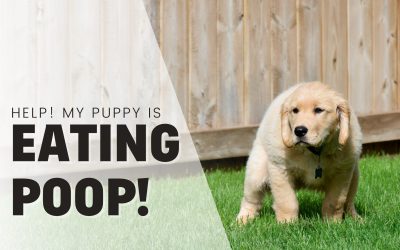
Parvo is one of those puppy risks I take seriously. Not because I think new puppy guardians should be terrified of the outside world, but because canine parvovirus can make a puppy very sick, very quickly.
The useful question is not really “can my puppy get parvo?” The answer to that is yes. The better question is how does parvo actually spread, where is the risk highest, and how do I protect my puppy without keeping them wrapped in bubble wrap through their entire socialisation window?
That balance matters. We want to reduce disease risk, but we also want puppies to experience the world safely while their brains are busy learning what is normal.
If your puppy is vomiting, has significant diarrhea, becomes unusually lethargic, refuses food, or you suspect parvo for any reason, call your veterinarian promptly. This is not a “wait until tomorrow and see” illness.

What is canine parvovirus?
Canine parvovirus, usually shortened to parvo, is a highly contagious viral disease. Puppies are particularly vulnerable, especially while they are still working through their vaccination series.
Parvo primarily damages rapidly dividing cells, particularly those in the intestinal tract and bone marrow. That is why the classic picture can include severe gastrointestinal illness alongside a weakened immune response.
And this is the bit I want puppy guardians to understand: parvo is not just something a puppy catches by walking up to an obviously sick dog. The virus can be carried into an environment on contaminated shoes, objects, paws and surfaces, and it can persist in the environment for a long time.

What are the signs of parvo in a puppy?
- Marked lethargy or weakness
- Loss of appetite
- Repeated vomiting
- Severe diarrhea, which may be bloody
- Dehydration
- Fever, or sometimes an abnormally low temperature in very sick dogs
- Abdominal discomfort
One symptom on its own does not automatically mean parvo. Puppies get upset stomachs. Puppies also lose appetite when they are teething. But a young puppy who suddenly looks profoundly unwell, particularly with vomiting and diarrhea, needs veterinary advice quickly.
Parvo can cause dangerous fluid loss and dehydration, and puppies simply do not have much reserve to play with. This is one of those situations where speed genuinely matters.
How do puppies get parvo?
The main route is exposure to virus shed in infected feces. That sounds reassuringly specific until you remember that microscopic contamination can travel much farther than the poop itself.
1. Direct contact with contaminated feces
This is the obvious one. A puppy sniffs, licks or otherwise comes into contact with infected fecal material and is exposed to the virus. Puppies investigate the world with their noses and mouths, so this is not exactly difficult for them to achieve.
2. Contaminated ground and public spaces
Soil, grass and other surfaces can become contaminated. Areas with a lot of unknown dogs passing through are therefore a different level of risk from, say, carrying your puppy through a hardware store or letting them meet a healthy, vaccinated adult dog you know.
This is why I am much more cautious about dog parks, communal toilet areas and heavily dog-trafficked patches of grass than I am about all puppy socialisation in general.
3. Shoes, paws, bowls and other contaminated objects
Parvo can also be moved mechanically on objects and surfaces. In veterinary language these contaminated objects are called fomites. Shoes, clothing, crates, cleaning equipment, bowls and paws can all potentially move contaminated material around.
That is one reason “my puppy never met a sick dog” does not completely rule out exposure.
The Cornell Wildlife Health Lab’s parvovirus information is a useful deeper read on environmental persistence and transmission.
Can wildlife spread parvovirus?
Parvoviruses circulate among a number of carnivore species, and related canine parvoviruses can infect wild canids. From a practical puppy-parent point of view, the important takeaway is much simpler: do not assume an area is risk-free simply because domestic dogs do not regularly use it.
I would not obsess over trying to identify every species that might theoretically carry a related virus. Focus on what you can control: vaccination, sensible hygiene and avoiding high-risk environments while your puppy is vulnerable.

How can I reduce my puppy’s risk of parvo?
Follow the vaccination schedule your veterinarian recommends
This is the big one. Puppies receive a series of vaccinations because maternal antibodies can interfere with early vaccines, and the point at which those antibodies stop protecting the puppy varies between individuals.
That is also why I would not decide that a puppy is “fully vaccinated” based purely on age or because a breeder gave one vaccine. Follow your veterinarian’s schedule and ask them about the level of parvo risk in your local area.
If the vaccination schedule itself is confusing, I have a separate guide to understanding puppy vaccinations and why puppies may receive several sets of shots.
Avoid the highest-risk dog areas for now
Before your veterinarian is comfortable with your puppy’s protection, I would skip places where lots of unknown dogs toilet and congregate. Dog parks are the obvious example. Shared apartment potty areas and heavily trafficked pet-store relief areas deserve some thought too.
But please do not confuse disease prevention with total isolation
This is where puppy advice sometimes becomes unnecessarily black and white.
Your puppy still has a developmental window in which calm, positive exposure to people, noises, surfaces, vehicles and the wider world is valuable. You can carry them. Use a clean blanket or stroller. Sit with them outside a coffee shop without putting them on a communal dog-toileting patch. Arrange meetings with healthy, appropriately vaccinated dogs you know.
I go into this balance in much more detail in how to safely socialise a puppy before vaccinations are complete.
Use appropriate disinfectants if parvo is a known concern
Parvovirus is unusually tough in the environment, so your everyday spray cleaner is not automatically enough. If you have had a confirmed parvo case in your home, kennel or yard, ask your veterinarian which disinfectant and cleaning protocol they want you to use for the surfaces involved.

- Confirmed efficacy on Parvo
- Fast 2-minute kill time on clinical surfaces
- Broad spectrum effectiveness
- No limitations on healthcare surfaces. Safe for both soft and hard surfaces
- Ready to use - no mixing
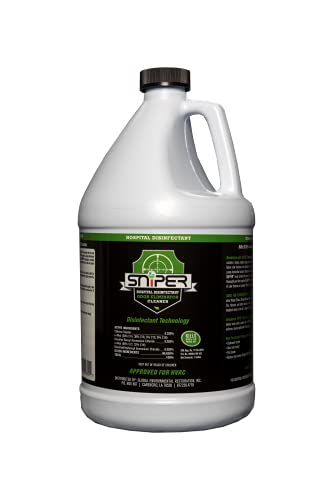
- Confirmed effective on Parvovirus
- Broad spectum and gentle on surfaces
- Multi-use functionality, you can replace several cleaning products with just one.
- SNiPER is non-corrosive, non-flammable, non-chlorinating, hypo-allergenic and a true biodegradable product.

- Proven efficacy with Parvo
- A broad spectrum veterinary disinfectant
- Starts killing bacteria in 5 minutes

Can a vaccinated puppy still get parvo?
No vaccine gives a mathematical 100% guarantee, and puppies partway through their vaccination series may not yet have reliable protection. That does not mean vaccination “doesn’t work.” It means timing matters, individual immune responses vary, and exposure level matters too.
If a vaccinated puppy develops symptoms that worry you, do not rule parvo out yourself simply because they have had one or more shots. Call your veterinarian and let them make that decision.
How is parvo treated?
There is not a simple at-home cure for parvo. Treatment is usually supportive and may include fluid therapy, correction of electrolyte and glucose abnormalities, medication for nausea and vomiting, nutritional support, pain control and treatment or prevention of secondary bacterial complications.
Some puppies need hospitalization. The earlier veterinary treatment starts, the better the puppy’s chances generally are, which is another reason I do not like “watch and wait” advice when a young puppy is seriously unwell.
Emergency hospitalization can also become expensive very quickly. If you are considering pet insurance, arrange it while your puppy is healthy and before anything becomes a pre-existing condition. You can get a Lemonade pet insurance quote here, but check waiting periods, exclusions and pre-existing-condition rules before buying.
So, how worried should you actually be about parvo?
Concerned enough to vaccinate properly and make sensible choices. Not so frightened that your puppy spends their formative weeks seeing nothing except the inside of your house.
That is the balance I want puppy guardians to aim for.
Know the symptoms. Know which environments are genuinely higher risk. Talk to your vet about local parvo prevalence and your puppy’s vaccine schedule. Then build safe socialisation around those boundaries instead of simply putting puppyhood on hold.
If you want practical puppy advice without the panic, you can also sign up for Pupdates.

Author, Ali Smith
Ali Smith is a professional, qualified, and multi-award winning trainer is the founder of rebarkable. She has always believed animals deserve kindness and champions force free methods. Believing that dog guardians will all choose the kindest options if proper information is provided, she aims to help all dog guardians who need it and make dog training as accessible as possible
Ali lives win Maryland, US with her husband and her three dogs.


0 Comments