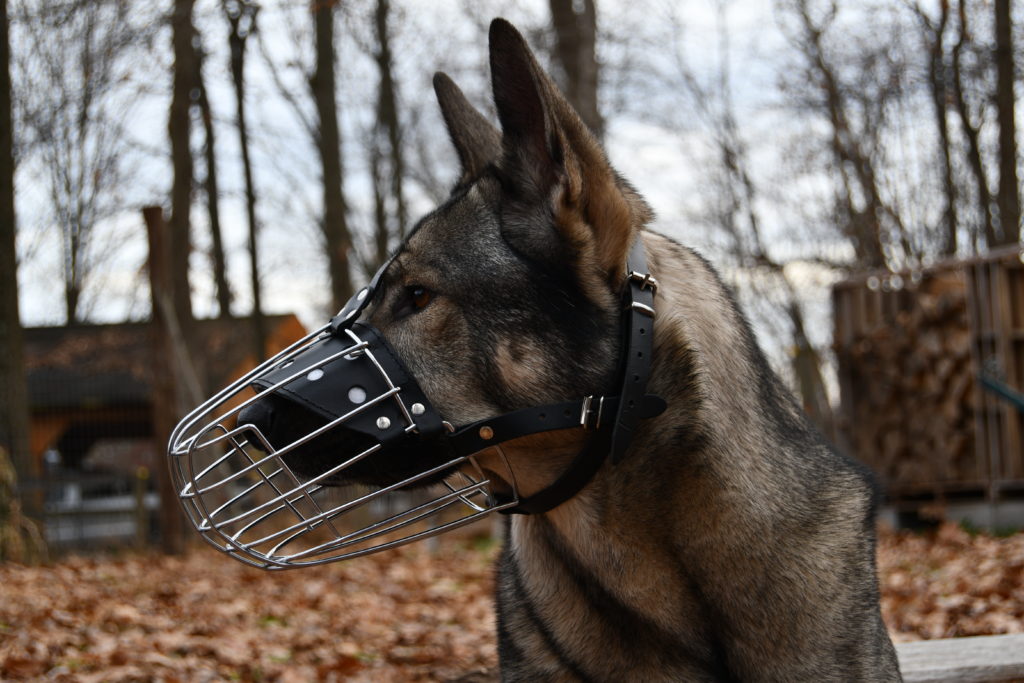
A properly fitted basket muzzle should give your dog enough room to fully pant, drink, take treats and open their mouth comfortably, while staying secure and clear of their eyes. It should not clamp the mouth shut or press tightly against the nose.
I’m a dog trainer and behavior consultant, and I use muzzles as safety equipment — including with my own dog. A muzzle is not a punishment and it is not evidence that a dog has “failed.” For reactive dogs, bite-risk dogs, scavengers, vet visits and plenty of other situations, a well-fitted muzzle can give everyone more room to make good decisions.
The important bit is well fitted. I see plenty of muzzles that are too small, restrict panting, rub around the eyes or simply aren’t the right design for the job. Here’s how I assess muzzle fit.
Quick Muzzle Fit Checklist
- Pant room: your dog can open their mouth into a proper pant, not just part their lips.
- Nose clearance: the end of the nose is not being crushed against the front of the muzzle.
- Eye clearance: the muzzle does not ride up into the eyes.
- Secure fit: your dog cannot simply back out of it or paw it off once appropriately conditioned to wearing it.
- Functional: they can drink and you can deliver treats through it.
- Right muzzle for the job: a scavenging muzzle, everyday basket muzzle and short-use veterinary muzzle are not interchangeable.
What Is A Muzzle?
A muzzle is a device that extends around your dogs nose and mouth, rendering them unable to use their mouth inappropriately. Often they’re made of durable materials, hard plastic, biothane, leather, even vinyl and of course metal.
Some muzzles, for the brachycephalic breeds (flat faced breeds, such as the pug or the boxer) can get mesh-faced muzzles too. This allows the dogs owner to feel secure with their dog around others, whether that’s at a vets or whilst they’re training their dog through reactivity.
Why Do Dogs Wear A Muzzle?
Dogs wear muzzles for all sorts of reasons, but most of them are for the dogs own protection. Whether that’s protection from making a mistake such as nipping the vet in fear, or from eating something toxic that they find on the street. There are lots of reasons that a responsible dog parent or guardian.
When To Use A Muzzle
✅ Reactivity
✅ Scavenging
✅ Legal reasons
✅ Safeguard in stressful situations, such as vet visits
When Not To Use A Muzzle
❌ Barking
❌ Chewing
6 Ways To Tell If Your Dog’s Muzzle Fits Correctly
For an everyday basket muzzle, I’m looking for function rather than a cosmetically snug fit. Your dog needs enough space to pant properly, especially during exercise, warm weather or stressful situations. Different specialist muzzles have different purposes, so always consider what you are asking the muzzle to do rather than relying on one universal sizing rule.
Is There Enough Room Beneath The Jaw?
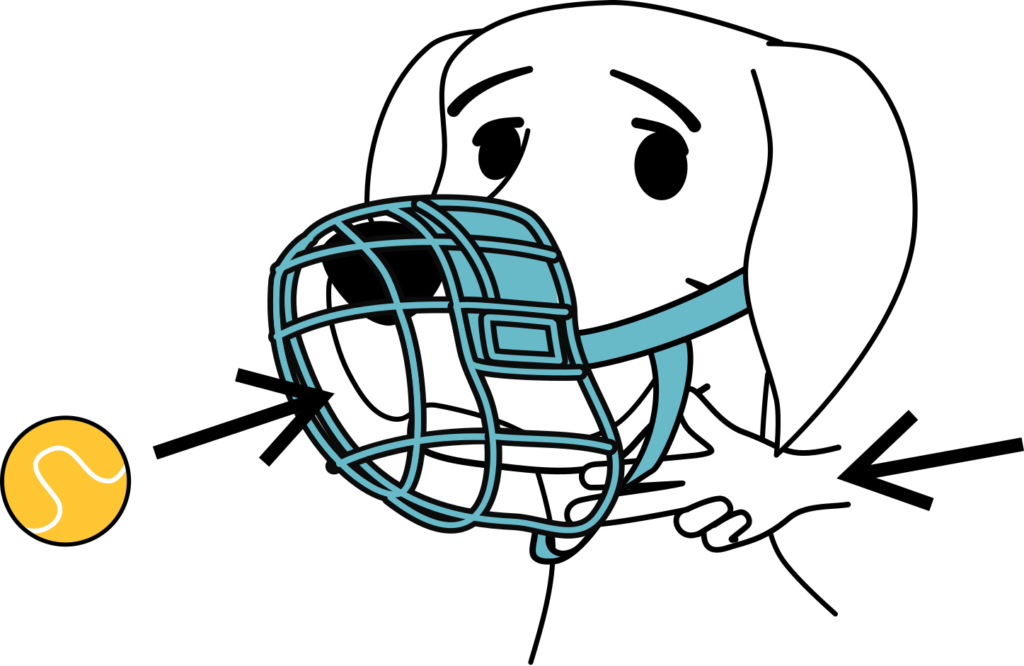
The old “two finger” check can be a useful rough starting point, but it is not a reliable fit standard on its own. Dogs have very different head shapes and very different pant depths. What matters is whether your dog can actually open their jaw into a comfortable, functional pant without the bottom of the muzzle stopping them.
Is There Enough Pant Space?
You may see people use a tennis ball as a visual demonstration of muzzle depth. That can make pant room easier to picture, but I would not size a muzzle from the tennis-ball test. Look at your dog’s natural pant and choose enough depth for that dog.
Can They Pant?
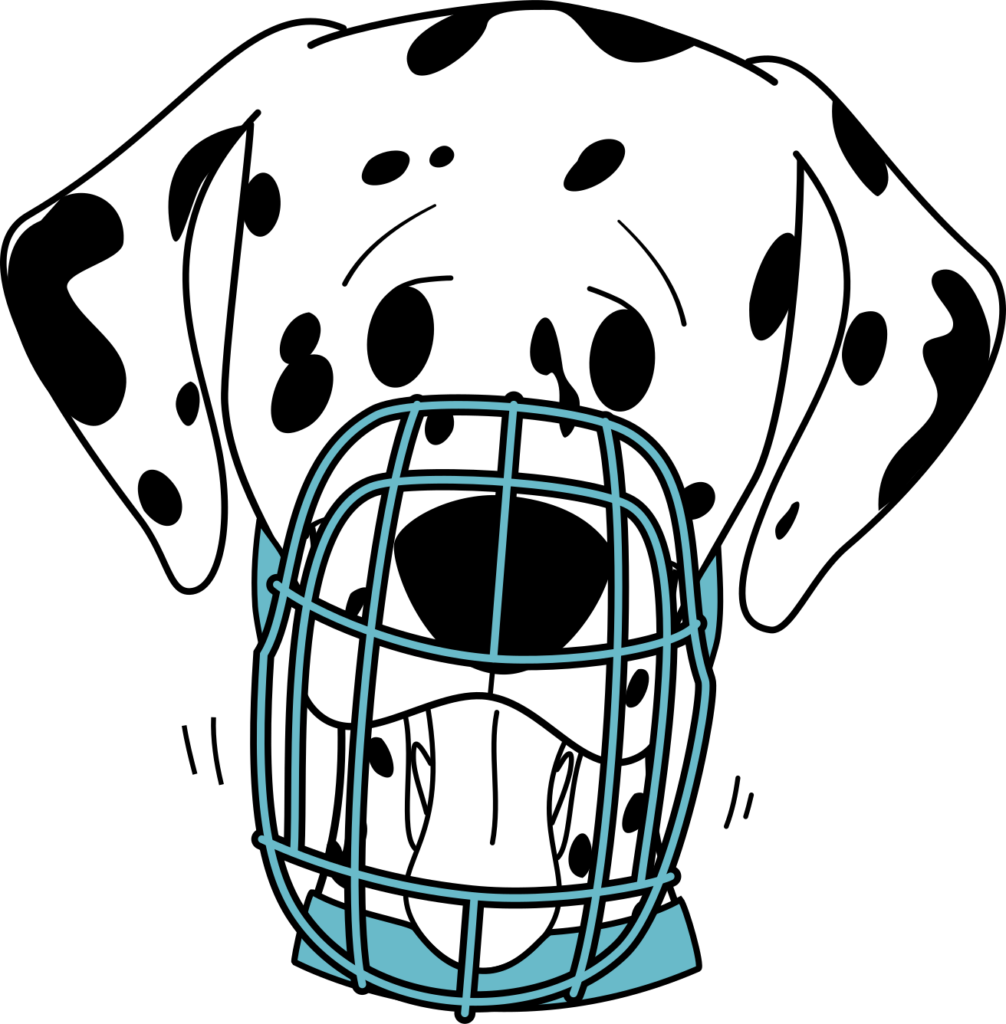
Heat is something that we can’t control in a lot of environments, and given that our dogs have limited ways of getting rid of heat and cooling down, it’s really important that we do not limit their ability to pant, and to get rid of that heat when necessary.
This ability means that your dog will be comfortable and happy in this for a longer period of time than alternatives.
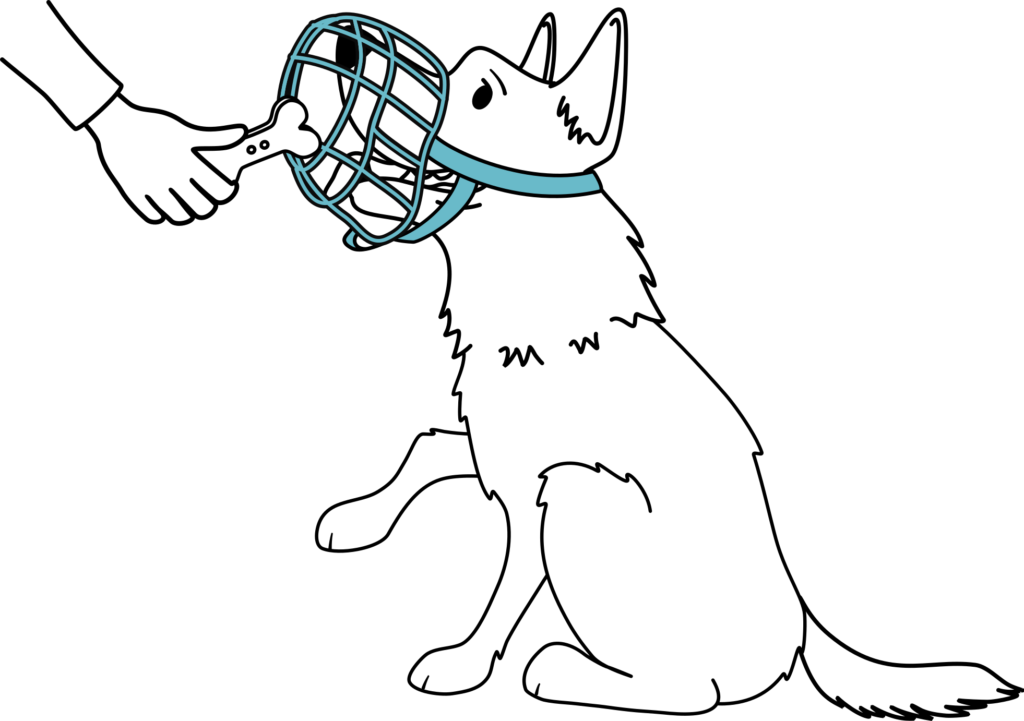
Can They Take Treats?
If training is to occur, (given that toys are not something we can use as a reward when your dog is wearing a muzzle) then we must be able to provide treats through the muzzle to create reward and to craft positive associations with things (incredibly important if your dog is reactive!)

Can They Drink?
Similarly to the ability to pant, our dogs need to be able to drink whilst wearing a muzzle, it means that they can wear the muzzle for longer and that we are not creating a limited resource. Water not only allows for hydration (obviously!) but helps them balance their warmth too and helps prevent over heating.
Can They Vomit?
This one is often the single most underestimated in terms of importance.
A muzzle that doesn’t allow your dog to vomit, is a muzzle that can kill your dog.
It’s not a case of ‘oh that’s so unlikely’ it’s a case of ‘just in case’ because I don’t want to run the risk that my reflexes will definitely be fast enough to get to my dog before they actually choke on their own vomit – do you?

Fit Is Only Half The Job: Train Your Dog To Wear It
Even the best-fitting muzzle needs to be introduced properly. Don’t wait until an emergency and then expect your dog to tolerate having unfamiliar equipment strapped to their face. Build the association gradually with food, choice and short sessions. If you’re starting from scratch, use my step-by-step positive muzzle training guide.
If the muzzle is part of managing reactivity, remember that the muzzle is the safety layer — it is not the treatment. Distance, management and changing how your dog feels about their triggers still matter. My guide to introducing a reactive dog to other dogs is a useful next read, and if you need the whole process laid out, the Reactivity Guide brings the training and management pieces together.
Muzzles Are A Good Thing
Remember that muzzling your dog is never a bad thing, a muzzled dog isn’t a sign of a bad dog, it’s the sign of a responsible owner.
Remember, different companies fit and size their muzzles in different ways, and you’re always allowed to send one back if it doesn’t fit your dog properly. If you haven’t chosen a muzzle yet, I’ve tested and compared the best dog muzzles for different dogs and different needs, which can make narrowing down the right option much easier.
If you need more help with your dogs equipment, then make sure to head to our Gear section! Where you can find loads of product reviews and valuable information about all sorts of dog gear.

Author, Ali Smith
Ali Smith is a professional, qualified, and multi-award winning trainer is the founder of rebarkable. She has always believed animals deserve kindness and champions force free methods. Believing that dog guardians will all choose the kindest options if proper information is provided, she aims to help all dog guardians who need it and make dog training as accessible as possible
Ali lives win Maryland, US with her husband and her three dogs.

How To Muzzle Train A Dog Positively: A Step-By-Step Guide
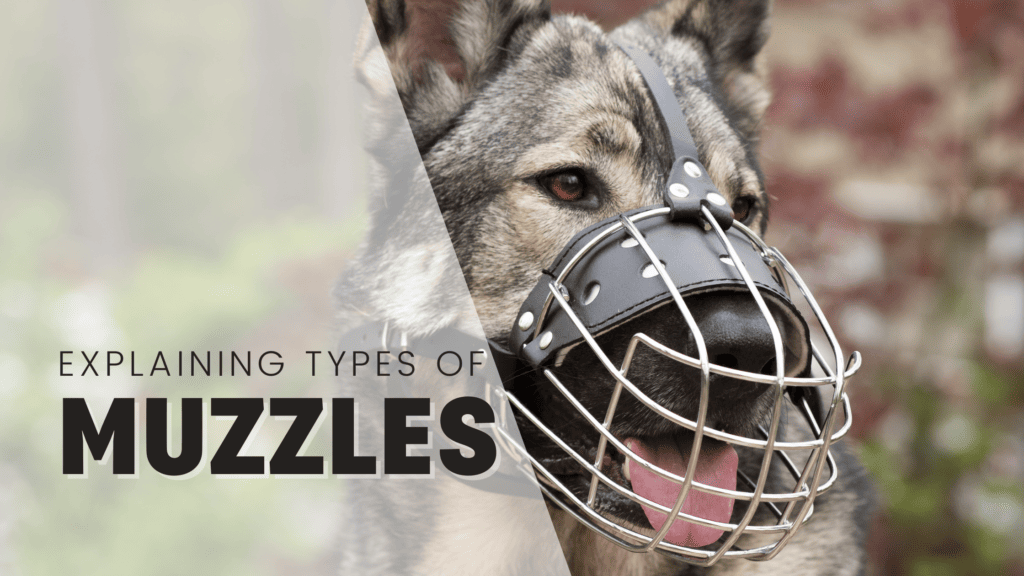
Explaining the 6 Types of Dog Muzzles & What They’re For 2026


0 Comments