Some dogs see snow and immediately become children. Indie, my German Shepherd cross, adored it—the deeper, the better. My short-coated coonhounds are rather less convinced that freezing temperatures constitute a recreational opportunity.
That is the awkward thing about cold-weather advice: there is no single temperature at which every dog becomes unsafe. A healthy, conditioned Husky and a tiny, elderly Chihuahua are not experiencing the same weather, even when they are standing beside one another.
The sensible approach is to understand your individual dog, watch what they are telling you and adjust the plan before cold turns into pain, frostbite or hypothermia.
How Cold Is Too Cold for a Dog?
There is no responsible universal cutoff. Cold tolerance depends on temperature, wind, rain or snow, duration of exposure and whether the dog is moving. It also depends on the dog’s size, coat, age, health, body condition and acclimation.
Wind strips away the warm layer of air around the body. Wet fur loses insulating value. A dog who is happily trotting generates more body heat than one standing still outside a café. And a sudden cold snap can affect a dog more than the same temperature after gradual seasonal adjustment.
Cornell’s veterinary winter safety guidance emphasizes watching the individual dog and adjusting exposure accordingly. That is much more useful than treating one number on a weather app as a law.
Which Dogs Need Extra Protection From the Cold?
- Small dogs, who lose body heat faster relative to their size.
- Puppies, who are still developing temperature regulation.
- Senior dogs, particularly those with arthritis, heart disease or reduced mobility.
- Short- and thin-coated breeds, including many hounds, sighthounds and bully breeds.
- Underweight dogs and dogs with medical conditions.
- Dogs not acclimated to cold weather.
- Wet dogs, because moisture accelerates heat loss.
Cold-weather breeds such as Huskies, Malamutes, Akitas, Samoyeds and Great Pyrenees are generally better equipped—but they are not invincible. Frostbite, hypothermia, ice injuries and toxic winter chemicals do not check a breed standard before causing trouble.
Signs Your Dog Is Too Cold
Bring your dog into a warm, dry place if you notice:
- shivering or trembling;
- lifting paws repeatedly;
- a tucked tail or hunched posture;
- whining, barking or sudden anxiety;
- slowing down or refusing to continue;
- seeking shelter or repeatedly turning toward home;
- stiffness, weakness or poor coordination; or
- unusual sleepiness or confusion.
A dog does not need to be dramatically shivering before you respond. Paw lifting and reluctance to walk are information, not stubbornness.
Does Your Dog Need a Winter Coat?
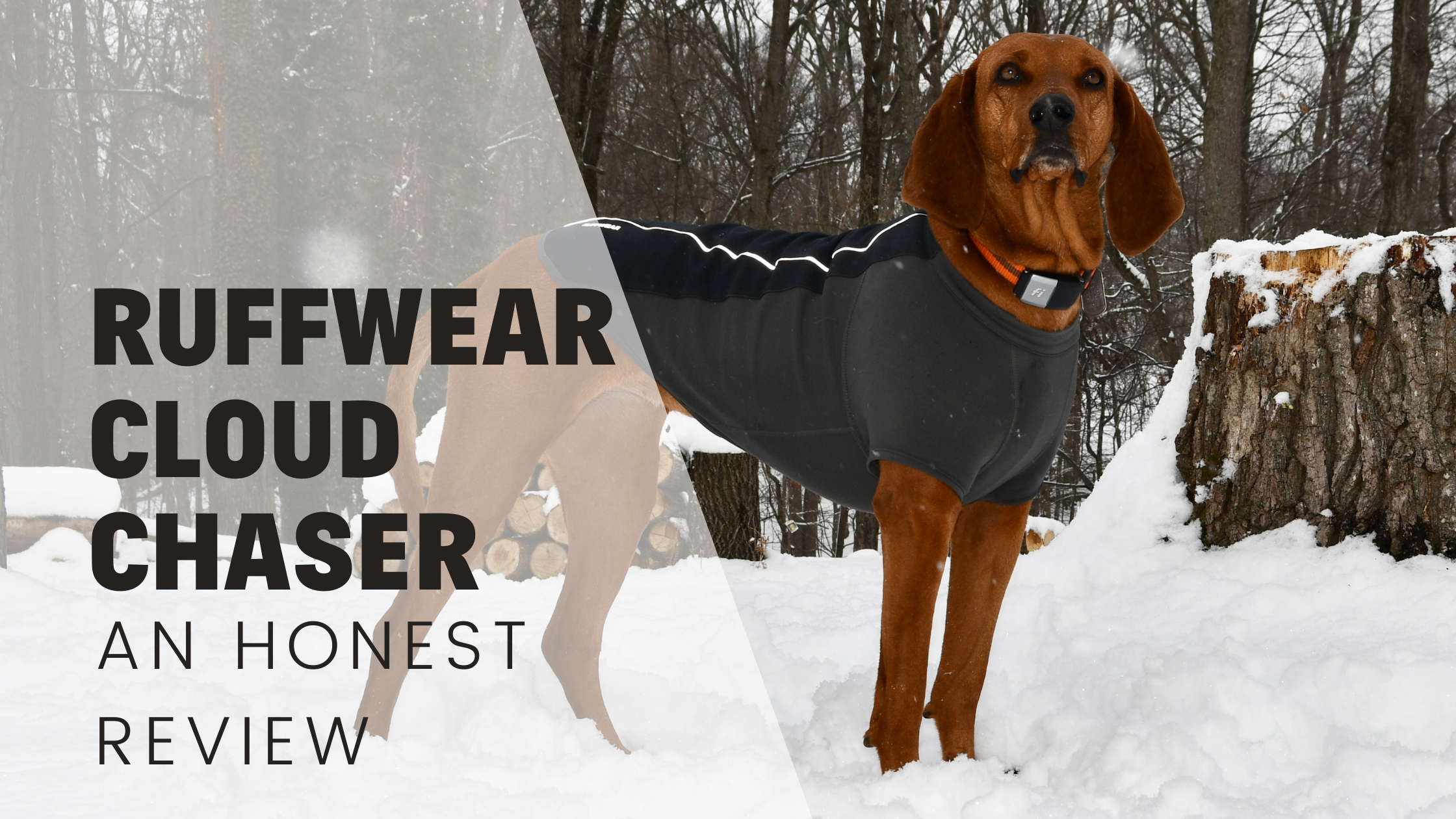
A well-fitted coat can make winter walks much more comfortable for small dogs, short-coated breeds, seniors and dogs with little body fat. My coonhounds benefit from one far sooner than a double-coated dog like Indie did.
Look for coverage across the back and chest without restricting the shoulders, rubbing behind the front legs or interfering with toileting. Waterproof outer fabric matters in wet snow or cold rain; insulation alone is not terribly helpful once it is soaked.
I have tested a slightly ridiculous number of them, so use my guide to the best dog coats for winter rather than guessing from a product photo.
Do not leave clothing on an unsupervised dog. Coats can snag, shift or become wet, and no jacket makes it appropriate to leave a dog outdoors indefinitely.
Dog Boots, Ice and Paw Protection
Dog boots can protect paws from ice, abrasive frozen ground, road salt and deicing chemicals. They need to fit properly and be introduced gradually using positive reinforcement—otherwise you get the famous high-stepping “my feet have betrayed me” walk and a dog who wants nothing to do with them.
My Ruffwear Grip Trex boot review covers one durable option. Whatever you use, check the fit during the walk because boots can rotate or rub once snow and moisture get involved.

If your dog is barefoot, inspect their paws frequently. Remove packed snow and ice from between the toes, then rinse or wipe the paws, lower legs and belly after walks to remove salt and chemicals. Dry them properly before the next outing. A protective paw balm can help create a barrier and support dry or cracked pads, but it does not replace cleaning the feet after exposure to road salt.
Make Winter Walks Safer
- Choose several shorter walks instead of one long exposure when conditions are harsh.
- Keep your dog moving rather than standing around in the cold.
- Use reflective gear and lights during dark mornings and evenings. A light-up collar can make a dog much easier for people and drivers to see—but flashing or glowing equipment can fascinate and fixate other dogs. I do not recommend one when walking a reactive dog; choose reflective, non-illuminated gear instead. See my guide to walking your dog safely in the dark.
- Use a harness and steady leash where ice makes falls more likely.
- Avoid retractable leashes on slippery surfaces.
- Keep dogs away from frozen ponds, lakes and streams. You cannot judge ice strength reliably by looking.
- Dry wet coats and paws promptly when you return home.
And keep yourself safe. Proper footwear, warm layers and a free hand for balance matter. Your dog gains nothing from a walk that ends with you horizontal on the pavement.
The Winter Risk That Surprises Dog Guardians: Road Salt
Most people expect the cold and snow. The hazard that catches dog guardians by surprise is often the salt and chemical deicer spread across roads, sidewalks and parking lots.
Rock salt and other ice-melting products can sting dry or cracked paw pads. Granules can lodge between the toes, while salty slush becomes packed into fur and snowballs. Then the dog comes indoors and licks everything clean, turning a contact irritant into something they ingest.
A dog who suddenly starts lifting a paw, limping or refusing to continue may not be “being dramatic”—their feet may genuinely hurt. Move them away from the treated surface and check between every toe.
My After-Walk Paw Routine
- Check between the toes for compacted snow, grit and salt.
- Rinse paws, lower legs and the belly with lukewarm water.
- Dry thoroughly, including between the toes.
- Inspect for redness, cracks, cuts or persistent tenderness.
- Use well-fitted boots on heavily treated routes and a pet-safer ice melt on your own property.
“Pet-safe” does not mean edible, so products still need to be stored securely and cleaned from your dog after exposure.
Antifreeze is the other major chemical risk. Products containing ethylene glycol are an emergency: even a small exposure can be fatal, and early signs may be easy to miss. Clean spills immediately, prevent access to garages and driveways, and contact a veterinarian or pet poison service immediately if ingestion is possible. Do not wait for symptoms.
The American Veterinary Medical Association’s cold-weather guidance likewise recommends cleaning paws after walks and preventing access to toxic winter products.
Frostbite and Hypothermia in Dogs
Frostbite most commonly affects extremities such as paws, ear tips and the tail. The skin may appear pale, gray or bluish, feel cold, become swollen or painful, and later develop blisters or darkened tissue. Damage is not always obvious immediately.
Hypothermia affects the whole body. Warning signs can include intense shivering followed by weakness, stiffness, confusion, slowed breathing, collapse or loss of consciousness.
Move the dog into a warm, dry environment and contact a veterinarian immediately. Replace wet material with dry blankets and warm the dog gradually. Do not rub suspected frostbite and do not apply direct high heat such as a hair dryer, heating pad or very hot water. Those methods can worsen tissue damage or burn a dog whose sensation is impaired.
Indoor Exercise When It Is Too Cold to Walk
Missing one long walk is not a welfare crisis. When conditions are genuinely unsafe, swap some mileage for:
- scent games and hide-and-seek;
- short trick-training sessions;
- tug and controlled flirt-pole games where flooring provides good grip;
- food puzzles, snuffle mats and stuffed toys;
- shredding activities for dogs who enjoy them—see my shredding enrichment guide;
- indoor swimming facilities or a carefully chosen daycare; and
- short, trained treadmill sessions.
Our PawPaw Slatmill
We use a PawPaw dog slatmill, and it works well as one indoor exercise option. Because it is self-powered, the dog creates the movement and can stop—but it still requires training and direct supervision.
Introduce the moving surface gradually with rewards. Never restrain a frightened dog on it, and do not treat frantic running as the goal. Keep sessions appropriate for the dog’s conditioning, age and health. A treadmill works muscles; it does not replace sniffing, exploration or the sensory value of an outdoor walk when the weather is safe.
Prepare for Snowstorms and Power Outages
- Keep several days of dog food, drinking water and medication available.
- Charge tracker devices and lights before severe weather arrives.
- Keep towels, coats, boots and leashes together where you can find them.
- Create a shoveled, well-lit toileting area with safe footing.
- Check fences after heavy snow, fallen branches or drifting that may create an escape route.
Snow can alter familiar scent and visual landmarks, so current identification and a microchip matter. For dedicated escape artists, my guide to managing dogs who escape is worth reading before the storm arrives.
Need Help Keeping Your Puppy Busy Indoors?
Winter can disrupt even a good routine. My practical puppy-training resources help you build calm indoor skills and provide useful activities without fear, force or dominance nonsense.
Let Your Dog Have an Opinion About Winter
Indie would have voted for deeper snow and longer walks. The hounds would like to lodge a formal complaint much sooner. Both responses are valid.
Know the dog in front of you, use coats and boots where they genuinely help, and shorten or replace outdoor exercise when conditions stop being safe. Winter can be wonderful enrichment—but only while your dog is still comfortable enough to enjoy it.
0 Comments