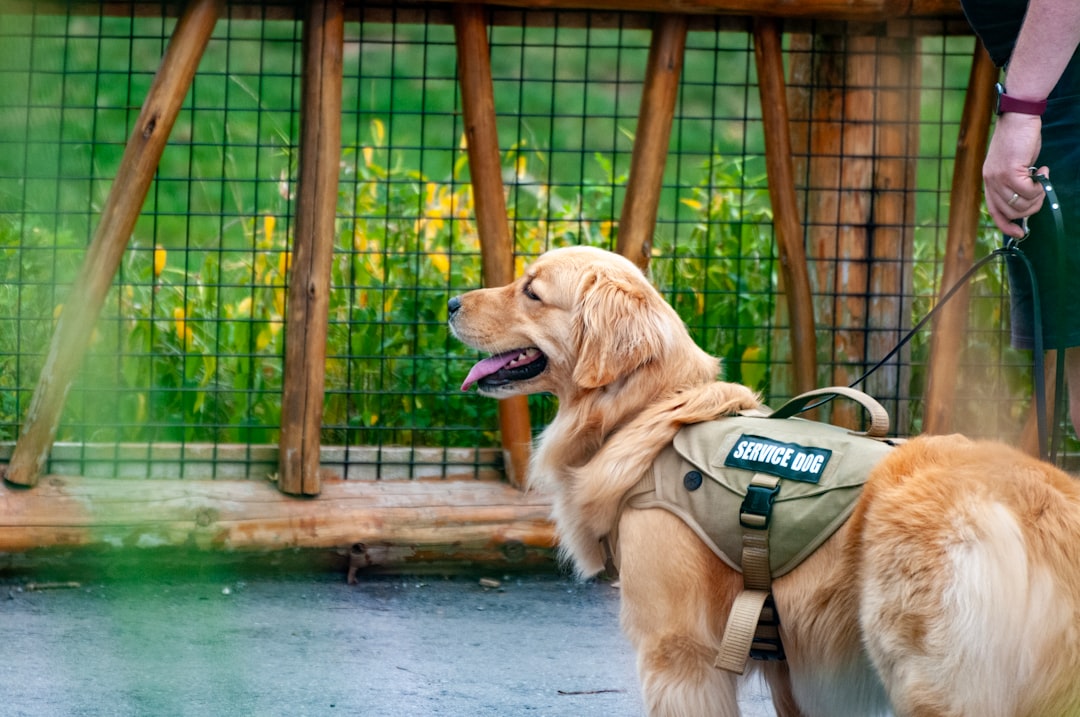
A service dog does not need a special vest or harness to be a service dog. In the US, the ADA does not require a vest, patch, ID tag or specific type of harness. So I would choose equipment for fit, comfort, handling and the dog’s actual work — not because it looks official.
That also means my recommendations here are a little different from the usual roundup. I am not going to recommend putting load through a dog’s body for bracing or weight-bearing mobility work. Dogs are not built to function as walking aids. If a handler needs physical weight-bearing support, that deserves an appropriate human mobility aid rather than asking the dog to take that load.
My top pick: for a purpose-built assistance-dog harness, Bridgeport K9 is where I would start. They make genuine working equipment rather than simply adding “SERVICE DOG” to a pet vest. But for plenty of service dogs, a well-fitted everyday harness plus removable identification is the better answer.
Quick picks: the service dog setups I would actually consider
| Need | My pick | Why |
|---|---|---|
| Purpose-built assistance gear | Bridgeport K9 assistance harness | Working-dog-focused range, careful sizing and modular options |
| Everyday service work | Well-fitting Y-front or H-style harness + removable patches | Comfortable, light and easy to customize |
| Clear identification | Vest/cape or leash wrap over good everyday gear | No need to compromise harness fit just to display a label |
| Budget / DIY setup | Existing comfortable harness + patch panels or cape | Often cheaper and more adaptable |
Best purpose-built option: Bridgeport K9
Bridgeport is probably the first brand I would look at if you specifically want equipment designed around assistance work rather than a pet harness with a label sewn onto it.
Their current assistance range includes leather assistance harnesses, guide-style harnesses, counterbalance equipment, support harnesses, handles, chest plates, patches and accessories. I like the breadth because service work is not one single job and one harness cannot sensibly suit every team.
I also like that Bridgeport takes measuring seriously and tells buyers to work with a professional and veterinarian for support equipment. Their sizing differs between products, so this is absolutely a measure-the-dog-you-have purchase rather than a “my Labrador is usually a large” purchase.
Where I part company with some traditional assistance-equipment recommendations is load-bearing work. Bridgeport sells equipment designed for counterbalance and support, but that does not mean I think dogs should be used for bracing or to take a handler’s body weight. I don’t recommend that use.
Best for: handlers who want durable, purpose-built assistance equipment, identification options or guide-style equipment without pretending the harness itself creates service-dog status.
You may not need a specialist service dog harness at all
This is the bit a lot of “best service dog vest” lists miss.
Under the ADA, service dogs do not have to wear a vest, ID tag or specific harness. They generally need to be under the handler’s control by harness, leash or tether unless the handler cannot use one because of a disability or it would interfere with the dog’s safe, effective work.
So if your dog doesn’t need task-specific equipment, you can often build a better setup around a harness you already know fits beautifully.
DIY service dog setups can work extremely well
By DIY, I do not mean making safety-critical mobility equipment in the garage. I mean combining good everyday gear in a way that suits the team.
- a well-fitting Y-front or H-style walking harness
- removable “SERVICE DOG” or “DO NOT DISTRACT” patches
- a lightweight cape or identification layer
- a leash wrap
- a small pouch if the team needs supplies
- a short traffic handle where appropriate for handling — not for putting body weight through the dog
For many psychiatric, medical-alert, hearing, allergen-alert and other task-trained dogs, that can be lighter and more comfortable than an elaborate harness.
I would much rather see a dog working comfortably in a beautifully fitted everyday harness with simple identification than squeezed into bulky “official-looking” gear because somebody thinks a service dog is supposed to look a certain way.
What I look for in a service dog harness
Fit before labels
The words “service dog” printed on a vest tell me absolutely nothing about fit. I want sensible strap placement, useful adjustability, room for normal shoulder movement and no rubbing behind the elbows or across the chest.
If you’re unsure, start with my dog harness fitting guide.
Equipment that matches the task
A medical-alert dog, hearing dog and guide dog can have very different equipment needs. Buy for what the dog actually does, not for the aesthetic.
Comfort over a full working day
Service dogs may spend hours in gear. Padding, ventilation, buckle placement, weight and freedom of movement matter far more over a long day than they do during a twenty-minute walk.
Easy identification — if you want it
Identification isn’t legally required under the ADA, but many handlers understandably prefer it because it can make the dog’s role obvious and discourage interruptions. Removable patches, capes and leash wraps let you add that information without choosing a worse-fitting harness.
No unnecessary weight or leverage
I would not add a rigid raised handle simply because it looks like “proper” service-dog equipment. Extra hardware changes the weight and leverage on the dog. If it doesn’t serve a genuine, dog-safe purpose, I don’t want it there.
Service dog vest vs harness: what’s the difference?
A vest is primarily an identification or clothing layer. A harness is structural equipment used for handling or a specific working function. Some products combine the two, but they don’t have to.
Separating the identification layer from the everyday harness is often useful because you can prioritize fit first and change labels or capes without replacing the dog’s main equipment.
Can I use a normal dog harness for a service dog?
Yes. If it allows the dog to perform their tasks safely and comfortably, there is no ADA requirement that the harness be branded or sold as service-dog equipment.
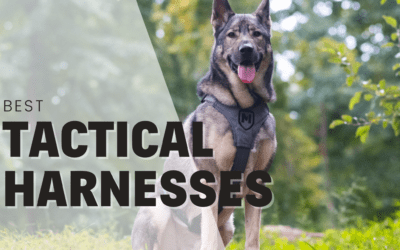
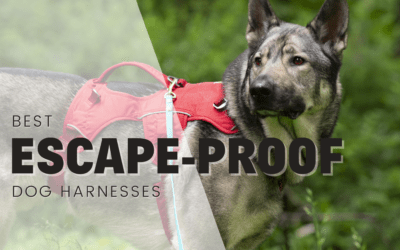
For general walking and handling, see my best dog harnesses. If your dog is particularly talented at reversing out of equipment, see my best escape-proof harnesses.
Do service dogs legally need a vest?
No. The ADA does not require a service dog to wear a vest, ID tag, patch or specific harness. A vest also does not turn a pet dog into a service dog.
Under the ADA definition, a service dog is individually trained to do work or perform tasks for a person with a disability.
What about online service dog certificates and registrations?
I would not spend money on an online registration or certificate marketed as proof that a dog is a legitimate service animal. The ADA does not require service dogs to be certified or registered, and businesses cannot require that sort of documentation as proof of access rights.
My verdict
If I wanted purpose-built assistance equipment, Bridgeport K9 would be my first stop. The range is genuinely built around working teams, and the brand gives buyers much more choice than a generic service-dog vest.
But I would not automatically buy specialist equipment. If the dog’s job doesn’t require it, a well-fitted everyday harness with patches, a cape or a leash wrap can be an excellent setup — and often a more comfortable one.
And I would not use a dog for weight-bearing mobility support. Service dogs can do extraordinary work without us asking their bodies to function as human mobility equipment.
Further reading: How to Train Your Dog Like a Service Dog · How to Fit a Dog Harness · Best Dog Harnesses




0 Comments