When it’s properly hot outside, I don’t try to recreate a two-hour hike in the living room or exhaust a dog because they’ve had a shorter walk.
Summer enrichment is about giving dogs interesting, appropriate things to do while accepting that heat changes what is sensible. Sometimes that means swimming. Sometimes it means sniffing around somewhere cool at 6 a.m. Sometimes it means tearing up a cardboard box in the air conditioning.
I’m a professional dog trainer and behaviour consultant, and I’d rather adjust a dog’s day to the weather than obsess over hitting an arbitrary exercise target when it’s 90°F outside.
Here are the summer enrichment ideas I actually like — starting with my favourite.
1. Go Swimming
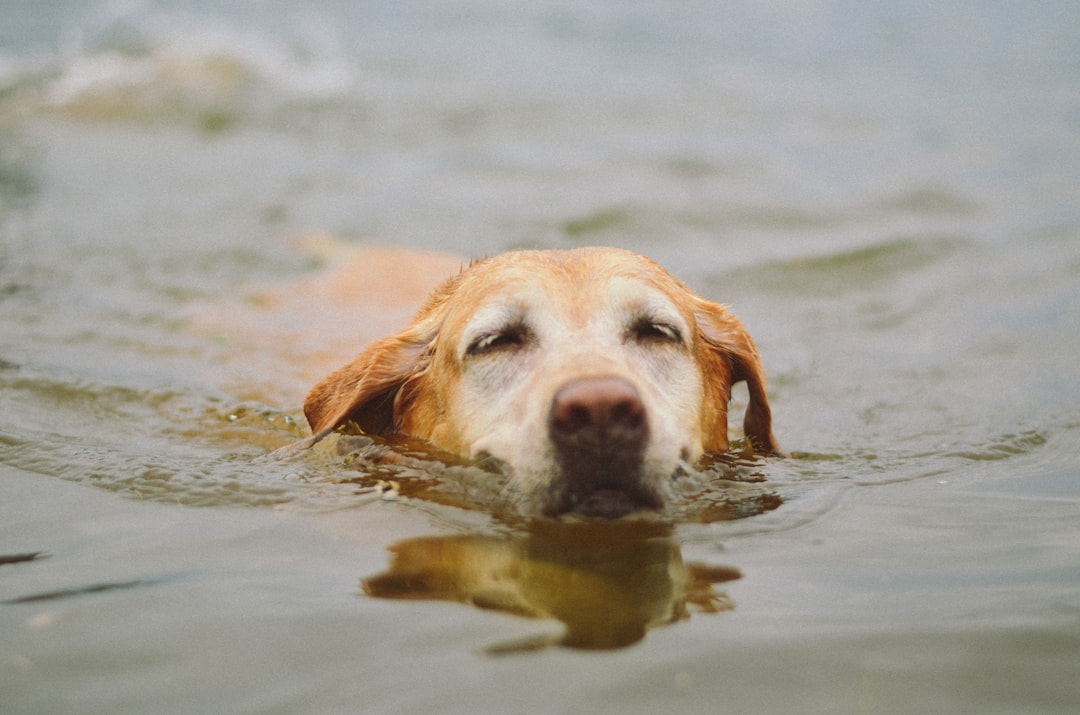
If your dog genuinely enjoys swimming, it’s one of my favourite summer activities.
It gives them an opportunity to move their whole body without pounding along hot pavement, and for dogs who love water it’s enormously enriching in its own right. Swimming isn’t just “exercise but wetter” — there are smells, movement, retrieving opportunities, exploring and an entirely different environment to navigate.
But please don’t throw a reluctant dog into water because somebody told you all dogs can swim. They can’t all swim well, and they certainly don’t all enjoy it.
- Choose somewhere with a safe, easy entry and exit.
- Supervise closely, even with confident swimmers.
- Use an appropriately fitted canine life jacket where conditions or the individual dog warrant it.
- Check local water-quality warnings, particularly for harmful algal blooms.
- Be cautious around currents, tides and unfamiliar open water.
- Don’t let dogs repeatedly gulp huge quantities of water while swimming or retrieving.
- Be particularly careful with salt water; drinking it can make dogs seriously ill.
And stop while your dog is still swimming well. Tired dogs don’t suddenly develop better judgement.
2. Set Up a Proper Paddling Pool
Your dog doesn’t need to be a swimmer to enjoy water.
A sturdy paddling pool can be fantastic, particularly if it’s deep enough for the dog to get their chest into the water if they choose. That’s considerably more useful for cooling than four paws standing in an inch of warm water.
Let your dog decide how they use it. Some will splash. Some will lie down. Some will fish toys out. Some will stare at you as if you’ve installed a deeply offensive garden feature.
Don’t put them into the pool against their will. Make access easy, keep the water clean and provide shade around it where possible.
3. Play With a Sprinkler — With Some Ground Rules
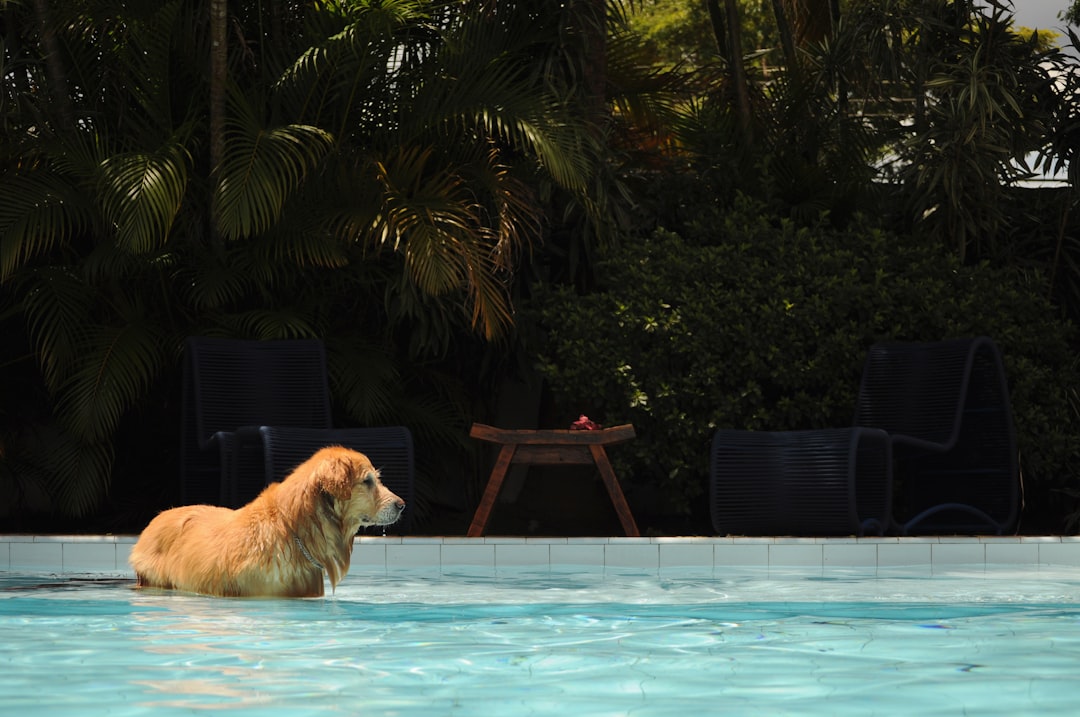
Sprinklers can be brilliant fun for dogs who enjoy chasing water, and I’m absolutely happy to use them as summer play.
I just don’t want a dog spending ages obsessively biting a high-pressure stream and swallowing water over and over again.
Keep sprinkler games short and supervised. Give breaks, watch how much water your dog appears to be swallowing, and stop if play becomes frantic or difficult for them to disengage from.
Excessive water consumption can cause dangerous electrolyte disturbances. It’s unusual, but “they’re only playing with water” doesn’t mean there is no risk.
4. Turn the Hose Into a Sniffing Game, Not a Chasing Game
If your dog gets wildly overexcited by moving water, try using water to change the environment instead.
Wet a shaded patch of grass, let interesting scents come alive, scatter a little of their food through the area and let them investigate. Damp ground can smell completely different to a dog’s nose.
It’s simple, low-impact and doesn’t require your dog to sprint around in the heat.
5. Take a Sniff Walk When It’s Cooler
Summer doesn’t have to mean no walks. It does mean I become much more thoughtful about when and where we go.
Early morning is often my preference because the environment has had overnight to cool. Depending on your climate, late evening can work too, although pavement and urban surfaces may retain heat long after the air starts feeling nicer.
And I don’t need the walk to be fast or far. Let the dog sniff. Explore a shaded route. Stop and investigate things. A shorter sensory-rich outing can offer far more than marching two miles because that’s what your fitness tracker expected.
6. Drive Somewhere Cooler
If it’s safe to travel, sometimes the easiest way to improve a summer outing is to change location.
A shaded woodland trail, creek, breezy coastal area or another naturally cooler environment may give your dog far more opportunity to explore than your sun-baked neighbourhood.
Obviously, never leave a dog in a parked car while you “just quickly” do something. Hot cars become dangerous extraordinarily quickly.
7. Scatter Feed in the Shade
Take some of your dog’s normal food allowance, scatter it through shaded grass and let their nose do the work.
You can make the search easy or difficult depending on the dog. For beginners, keep the scatter concentrated and obvious. For experienced sniffers, spread it farther or use slightly longer vegetation where you can do so safely.
This is enrichment, not an exam. I want the dog engaged and enjoying the search, not staring at me wondering why breakfast has become an unpaid internship.
8. Make a Cardboard Destruction Box
One of the easiest indoor enrichment activities costs approximately nothing.
Put scrunched paper, smaller cardboard boxes, toilet-roll tubes or other dog-safe shreddable materials into a larger cardboard box. Scatter food through it and let your dog search, tear and dismantle.
Shredding can be wonderfully satisfying for dogs who enjoy using their mouths and paws. Supervise if your dog is likely to swallow cardboard or other non-food items rather than simply destroying them. I’ve got 9 safe shredding enrichment ideas for dogs if yours considers cardboard destruction an art form.

9. Play Find It Around the House
You don’t need a fancy scent-work setup.
Start by hiding food somewhere obvious while your dog watches. Once they understand the game, make the hides less obvious, use different rooms or place food at different heights where it’s safe and accessible.
You can also hide a favourite toy if that’s more rewarding for your dog.
10. Teach Something Completely Pointless
Not every training session needs to produce a Serious Life Skill.
Teach your dog to put their paws on a box, walk around an object, touch a target, tidy toys into a basket, push a ball, ring a bell or learn whatever harmless nonsense makes both of you smile.
Short training sessions in a cool house can be excellent enrichment, particularly if you let the dog problem-solve rather than constantly telling them exactly what to do.
11. Play Tug
Tug is interactive, social and doesn’t require acres of space.
And no, I don’t think your dog needs arbitrary “rules” about never winning or proving that you’re in charge of the toy. Teach useful skills around the game because they’re useful — such as giving the toy when asked and waiting briefly when necessary — but let the game actually be fun.
Keep it appropriate to the individual dog’s body and don’t whip puppies or dogs with orthopedic issues around by the neck.
12. Build a Low-Impact Indoor Obstacle Course
I like the idea of an obstacle course. I’m less enthusiastic about casually telling people to make puppies repeatedly jump broomsticks in the backyard.
Instead, think body awareness: walk between chairs, step onto a low stable platform, go around a cone, put front paws onto an object, walk over different safe surfaces or go underneath something with plenty of clearance.
Keep surfaces non-slip and the challenges physically appropriate for your dog’s age, build and health.
13. Give Them Something Appropriate to Chew
Chewing is an activity. It doesn’t need to be frozen, complicated or Instagram-worthy.
If your dog enjoys chewing, an appropriate chew in a cool, comfortable spot can occupy them while the worst heat passes. Choose something suitable for your individual dog’s chewing style and supervise where necessary.
14. Use Puzzle Toys — If Your Dog Actually Likes Them
Puzzle toys are useful, but they’re not compulsory dog ownership equipment.
Some dogs love sliders, treat balls and food puzzles. Others find them frustrating or simply aren’t interested. Start easy enough that your dog understands how to access the food, then increase difficulty only if they’re enjoying the challenge.
If they walk away, that’s information. Enrichment should enrich the dog, not satisfy our need to make them complete activities. For younger dogs who do enjoy food puzzles, these are my favourite puppy puzzle toys.
15. Let Them Dig Somewhere Appropriate
A shady dig pit can be a fantastic summer activity for dogs who love excavating.
Use clean soil or play sand, make sure the area isn’t baking in direct sun, and hide toys or food shallowly to encourage exploration. You can dampen the substrate too, which can make it cooler and more interesting.
I’m much happier giving a keen digger an appropriate place to dig than spending summer repeatedly telling them not to be a dog. If digging is already causing arguments with your landscaping, here’s my guide to stopping a dog digging where you don’t want them to without punishing the behaviour.
16. Sit Somewhere and Watch the World
This one gets overlooked because it doesn’t look like we’re doing very much.
Find a cool, shady location where your dog is comfortable, sit down together and let them watch, sniff and process what’s happening around them. For dogs who enjoy observing the world without needing to greet everyone in it, this can be genuinely valuable.
Not every enriching experience has to involve movement.
What About Frozen Kongs, Lick Mats and Pupsicles?
They’re fine if your dog enjoys them. They’re just not my favourite answer to summer enrichment.
Frozen food gets recommended so relentlessly in summer that you’d think dogs had spent thousands of years waiting for us to invent frozen peanut butter.
If you already use a stuffed Kong, Toppl or lick mat and your dog enjoys having it chilled or frozen, carry on. Make sure the ingredients are dog-safe and account for the food in their overall diet.
But if I’m choosing between handing a water-loving dog another frozen food toy and giving them an appropriate opportunity to swim? I’m choosing the swim.
Summer Enrichment Isn’t About Exhausting Your Dog
This is the bigger point.
If extreme weather means your dog gets less physical exercise for a few days, that doesn’t mean you need to manufacture enough indoor activity to leave them unconscious by bedtime.
Dogs need sleep and downtime too. Enrichment should add useful opportunities to their day — sniffing, chewing, swimming, exploring, problem-solving, playing, digging, interacting with you — not become another quota owners feel guilty about failing to meet.
A Quick Word About Heat Safety
No enrichment idea is worth pushing a dog through dangerous heat. My full guide to dogs in hot weather and preventing heatstroke covers the safety side in much more depth.
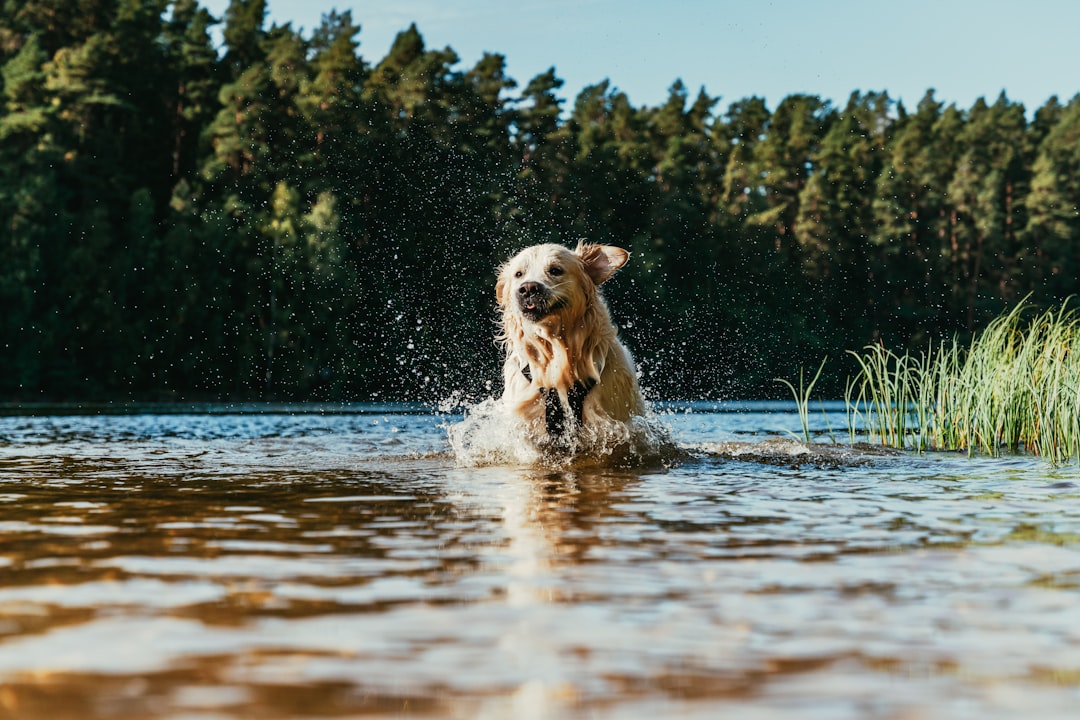
Dogs differ enormously in their ability to cope with warm weather. Age, fitness, body condition, coat, acclimatisation, health, medication, activity and anatomy all matter. Flat-faced dogs in particular can be at substantially increased risk.
Heavy or distressed panting, difficulty breathing, weakness, wobbliness, confusion, vomiting, diarrhoea, collapse or altered responsiveness are not “finish the game and see how they go” signs.
Suspected heatstroke is an emergency. Move the dog out of the heat, begin cooling them promptly with cool water and airflow while arranging urgent veterinary care. Don’t wrap the dog in wet towels; towels lying over the body can impede heat loss as they warm.
And don’t wait for a dog to become dangerously hot before deciding the activity was too much. Prevention is considerably easier than treating heatstroke.
The Best Summer Enrichment Depends on Your Dog
A Labrador who would happily move into a lake and a Chihuahua who regards wet grass as a personal betrayal don’t need the same summer plan.
Look at what your dog genuinely enjoys, what their body can safely do, and what the weather allows. Give them choices. Keep the genuinely energetic activities for cooler conditions, and don’t underestimate sniffing, exploring, chewing, digging, training and simply watching the world.
Summer enrichment doesn’t need to be elaborate.
It just needs to be enriching for the dog who’s actually doing it.
0 Comments