
If your dog is reactive, a muzzle can be one of the most responsible pieces of safety equipment you use.
But it is important to be clear about what the muzzle is actually doing.
The muzzle is not there so your dog can cope with more pressure. It is there to make your existing training and management plan safer.
You cannot simply put a muzzle on a reactive dog and decide the job is done. The dog needs to be properly muzzle trained, and you still need to understand and work on the reactivity itself.
Reactive Does Not Automatically Mean Bite Risk
When a dog guardian tells me, “My dog is reactive and I need a muzzle,” one of my first questions is: how much of a bite risk is your dog?
Are they genuinely likely to bite another dog or a person? Or are you using the muzzle primarily as a deterrent, an extra layer of security, or because the law requires your dog to wear one?
Those are very different jobs, and they do not necessarily require the same muzzle.
A dog can bark, lunge, growl or become highly aroused around a trigger without necessarily intending to bite. Equally, some reactive dogs absolutely are a genuine bite risk. We should choose the equipment for the dog in front of us rather than assuming every reactive dog needs the strongest possible muzzle.
For A Truly Reactive Dog, Start With A Good Basket Muzzle
For a reactive dog where there is a meaningful possibility of a bite, a properly fitted basket muzzle is usually a very good place to start.
I am generally an advocate of choosing something appropriately robust. If you need protection, I would rather have a muzzle that is stronger than strictly necessary than discover at the worst possible moment that the muzzle was not strong enough.
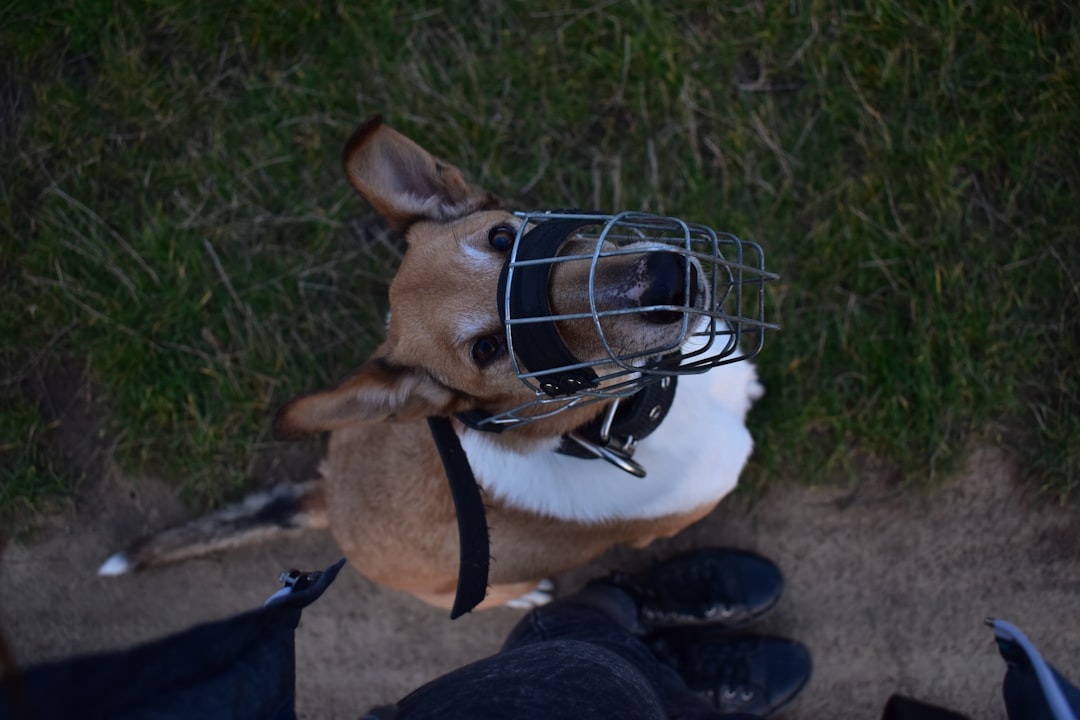
That does not mean choosing something uncomfortable, restrictive or badly ventilated. A good everyday basket muzzle should fit correctly and allow appropriate pant room.
If you are unsure about fit, use my guide to fitting a dog muzzle correctly.
When A Lighter Muzzle Makes More Sense
Not every dog wearing a muzzle is wearing one because they are dangerous.
Some dogs are legally required to wear one. For example, certain dogs in the UK are subject to muzzle requirements, and there are breed-specific rules affecting dogs such as German Shepherds in Ireland.
If the muzzle is essentially a legal tick-box rather than protection against a genuine bite risk, I would generally favour something lighter and less intrusive for the dog, provided it still meets the relevant legal requirement and fits securely.
There is no prize for putting the heaviest possible muzzle on a dog who does not need it.
Choose the equipment for its actual purpose.
The Muzzle Does Not Replace Reactivity Training
This is where people can get themselves into trouble.
A muzzle can make a situation safer. It cannot make your dog emotionally comfortable with that situation.
If your dog reacts to other dogs at ten metres, putting a muzzle on them does not suddenly mean you should walk them directly past another dog at two metres.
Use the additional safety margin to support sensible training: work at distances your dog can cope with, manage their exposure to triggers and gradually build skills and confidence.
The muzzle is there to make the plan safer, not to increase the pressure on the dog.
You Have To Train The Muzzle Too
The only time I would describe a muzzle as unhelpful for a reactive dog is when the owner does not do the work to make the dog comfortable wearing it.
A muzzle is not something you slap onto the dog’s face and declare, “We’re safe now.”
If the dog is already stressed by their environment and you add a muzzle they dislike, you have simply put another source of stress onto an already struggling dog.
Muzzle training should be gradual and positive. Let the dog investigate it, reward through it, build duration slowly and only progress when the dog is comfortable at the current stage.
My step-by-step positive muzzle training guide walks through the process.
What Muzzles Should Reactive Dogs Avoid?
Occlusion Muzzles
Occlusion muzzles are a hard no for everyday use.
They hold the dog’s mouth closed and belong in very limited emergency or short-duration professional contexts, not on a reactive dog going for a walk or doing a training session.
A dog needs to be able to pant appropriately, particularly when they are exercising, warm or stressed.
Soft And Silicone Muzzles
I am also not a fan of soft, flexible silicone-style muzzles for this job.
For a dog where the muzzle genuinely needs to protect against a bite, they simply are not the equipment I want to rely on. They can be too flexible and do not provide the robust protection I am looking for in a serious safety setup.
For more detail on why different constructions matter, see my guide to the different types of dog muzzles.
How Strong Does A Reactive Dog’s Muzzle Need To Be?
Match the strength to the actual risk.
If your dog is a genuine bite risk, choose a robust basket designed to provide meaningful bite resistance and make sure it is fitted correctly.
If your dog is not a bite risk and the muzzle is being used as an extra precaution, deterrent or legal requirement, you have more freedom to prioritise lighter construction and minimal intrusion.
And remember: no muzzle is truly biteproof. A stronger muzzle gives you a better safety margin; it does not mean you can stop managing your dog.
If your dog has a significant bite history, read my guide to choosing a muzzle for bite-risk dogs.
Currently In Testing: Big Snoof And The Muzzle Movement
There are also some newer, more modern muzzle designs that I want to put properly through their paces.
Big Snoof and The Muzzle Movement are both on my testing list. They are visually more modern and, frankly, a little more fun than some of the classic muzzle options that have been around for years.
But looks are not enough. I want to know how they actually hold up against the established options for fit, comfort, durability and practical everyday use.
So I am not giving either of them a verdict yet. They are currently in testing, and I will update this guide once I have enough hands-on experience to give you a useful opinion rather than repeating marketing claims.
A Muzzle Can Also Change How Other People Behave
There is another practical advantage to muzzling a reactive dog: people often give a muzzled dog more space.
That can be genuinely useful if your dog struggles with strangers or other dogs approaching too closely.
But again, that is a bonus rather than the training plan. You still need to advocate for your dog’s space, choose appropriate environments and manage encounters rather than assuming the muzzle will make everyone behave sensibly.

Choosing The Right Muzzle For Your Reactive Dog
Start with three questions:
- Is my dog genuinely likely to bite?
- What am I asking the muzzle to protect against?
- Can my dog wear this muzzle comfortably and appropriately for the activity?
For most genuinely reactive dogs where bite protection matters, a good basket muzzle is the sensible starting point.
If your dog is wearing one primarily because of legislation or as an additional deterrent and is not actually a bite risk, a lighter, less intrusive option may make more sense.
You can compare options in my tried-and-tested guide to the best dog muzzles.
The Bottom Line
A muzzle can be extremely useful for a reactive dog, but it should never become an excuse to stop training or push the dog harder.
Work out how much bite risk actually exists. Choose a muzzle strong enough for that risk. Fit it properly. Train your dog to genuinely feel comfortable wearing it.
Then keep working on the reason your dog is reactive.
The muzzle does not make your dog able to cope with more pressure. It makes a thoughtful reactivity plan safer.


0 Comments