Before I deliberately train around a reactive dog’s triggers, I want their day-to-day life set up so they have enough capacity to learn.
This is the bit that can feel like “not training.” In practice, it is often what makes the actual training work.
If your dog is exhausted, in pain, constantly trigger stacked or living in an environment that keeps pushing them over threshold, adding more exposure is rarely the clever next move.
1. Lower The Overall Stress Load
Start by looking at the whole day, not just the dramatic reaction.
Busy walks, visitors, poor sleep, fence barking, vet trips, exciting play and surprise encounters can all leave some dogs with less capacity for the next challenge.
If your dog seems mysteriously worse on some days, my trigger stacking guide explains why that can happen.
2. Give Them Enough Rest And Recovery
A reactive dog does not always need more exercise. Sometimes they need fewer demands.
Sleep, quiet sniffing, chewing, licking enrichment and low-pressure time can all be useful depending on the dog.
After a particularly difficult incident, use behaviour rather than a rigid countdown to decide when your dog is ready to work again. I explain that in Cortisol Breaks for Dogs.
3. Meet The Dog’s Normal Needs
Reactivity can take over your entire view of the dog. They are still a dog with ordinary needs and preferences outside the behaviour problem.
Indie found chewing a ball genuinely regulating. My coonhounds get enormous value from using their noses. Another dog may love shredding, tug, digging, swimming or simply wandering and sniffing.
The point is not to follow a generic enrichment checklist. Notice what leaves your dog more settled afterwards.
4. Make The Environment More Predictable
You do not need military precision or an identical routine every day, but predictability can help some dogs who are already struggling.
More useful than obsessing over a perfect schedule is controlling the things you realistically can: quieter walking times, fewer blind corners, known resting places and sensible separation from household triggers.
That is management, and management is not failure. My management guide explains how to use it deliberately rather than treating it as avoidance.
5. Check For Pain Or Health Changes
If behaviour appeared suddenly, has become significantly worse, or your dog is showing handling sensitivity, stiffness, digestive changes or other health concerns, involve your veterinarian.
Training cannot make pain irrelevant.
6. Set Up Safety Before You Add Difficulty
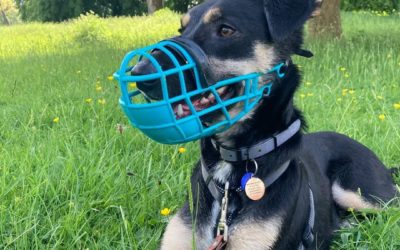
Use equipment you trust. Know how you will create distance. If there is meaningful bite risk, positively condition an appropriate basket muzzle before you need it in a crisis.
For walks, my reactive-dog walking guide covers routes, distance, visual barriers and the difference between management and deliberate training.
Then Train The Dog You Actually Have That Day
Once your dog is rested, safe and not drowning in avoidable stress, you can make much better decisions about threshold and controlled exposure.
Start with my full Reactive Dog Training: How to Help a Reactive Dog guide for the training framework.
If you want help turning all of this into a plan for your own dog, the Rebarkable Reactivity Guide includes stressor and trigger tracking, body-language work, safety, muzzle training, decompression, threshold work and staged exercises.

0 Comments