If your dog has suddenly become reactive, it is very easy to disappear down a rabbit hole of training techniques before you have worked out what is actually happening.
I did exactly that with Indie. I thought he went from zero to one hundred. In reality, I was missing the quieter signs, putting him in environments that were too difficult and trying to solve the explosion rather than understand everything that came before it.
So if you are at the beginning, these are the five things I would do first.
1. Work Out What Your Dog Reacts To
Do not stop at “dogs” or “people.” Be specific.
Is it unfamiliar dogs? Large dogs? Fast dogs? Men approaching directly? Visitors entering the house? Dogs appearing suddenly around corners?
The more specific you are, the easier it becomes to spot patterns and create useful training setups.
If you are still figuring out what reactivity actually means, start with What Is a Reactive Dog?.
2. Learn The Behaviour Before The Reaction
The barking and lunging are obvious. The earlier signs are where you get choices.
With Indie, I learned to notice hyper-focus, squaring up, tension around his lips and his little “hoof-hoof” warning barks before the full reaction arrived.
Your dog may freeze, stare, close their mouth, stop sniffing, lean forward, raise their tail or stop taking food.
Those signs help you find your dog’s reactivity threshold, or what I call their bubble.
3. Make Walks Easier Before You Make Training Harder
One of the first useful things I did for Indie was stop taking him to a dog-dense country park where he arrived already overwhelmed.
Quieter routes, wider spaces, better visibility and places to create distance are not cheating. They are what make successful repetitions possible.
My guide to walking a reactive dog goes much deeper into this.
4. Put Safety In Place
If your dog is hard to hold, can escape equipment or represents a realistic bite risk, solve that before you start experimenting with training setups.
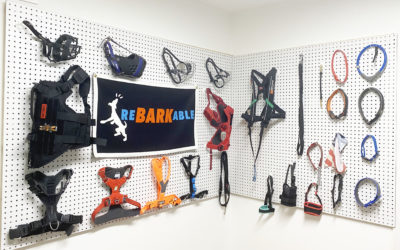
That may mean a secure harness, backup connection or a properly fitted basket muzzle that your dog has been positively conditioned to wear.
Safety gear is not evidence that training failed. I still use a muzzle with Indie when it makes sense because he is comfortable in it and the extra safety costs us very little.
See my reactive-dog equipment guide for the full setup.
5. Check Health And Get Help Where You Need It
Pain and illness can change tolerance dramatically. If reactivity appeared suddenly, worsened significantly or comes with movement or handling sensitivity, involve your veterinarian.
And if your dog has bitten, redirects onto people, is becoming harder to predict or is physically difficult for you to manage, bring in qualified behaviour help.
Then Start The Actual Training
These first steps do not replace training. They put you in a position where training can actually work.
My main Reactive Dog Training: How to Help a Reactive Dog guide walks through the full process: management, threshold, counterconditioning, safety and realistic progress.
If you want the process organised into a step-by-step plan with trigger and stress tracking, body-language work, muzzle training, decompression and troubleshooting, that is what I built the Rebarkable Reactivity Guide for.


0 Comments