Your reactive dog has just had a huge reaction.
Maybe another dog appeared around a corner. Maybe somebody ignored your request for space. Maybe there was a fight. Maybe you simply misjudged the distance.
What you do next matters, but not because one reaction has magically erased all your training.
The useful goal is to get everybody safe, let the dog recover and avoid piling more stress onto an already difficult day.
First: Get Out Of The Situation
Do not worry about making the end of the encounter look pretty.
Create distance. Get behind a visual barrier if you can. Move somewhere quiet. If there has been physical contact, check both dogs carefully and involve a veterinarian where injury may have occurred.
This is not the moment to ask for a perfect sit or recreate the trigger so you can “end on a good note.”
A Dog Can Look Recovered Before They’re Back To Baseline
After a big reaction, the body’s stress systems do not necessarily switch off the second the trigger disappears.
That is one reason dogs can have a shorter fuse after a difficult event.
With Indie, he often appeared to bounce back quite quickly. After a night of good rest, though, I could still see that he was easier to trigger the next day. I personally thought of him as perhaps 30 to 50 percent above his usual baseline after a substantial incident, depending on how bad it had been.
That percentage is not a scientific measurement or a rule for your dog. It is simply how I learned to describe the practical change I saw in Indie.
The most obvious sign was simple: his fuse was shorter.
This Is Where Trigger Stacking Matters
A stressful event rarely exists in isolation.
If your dog reacts badly at 9am, meets another difficult dog at noon, has visitors at 3pm and then hears fireworks that evening, each event arrives on top of whatever stress remains from the last one.
That is trigger stacking, and it helps explain why a dog who coped yesterday may suddenly struggle today. I’ll link the dedicated trigger-stacking guide here once it’s live.
What Should You Do After A Big Reaction?
1. Lower the pressure
If you can, make the rest of the day easier. Avoid unnecessary trigger exposure. Choose a quiet walk or skip the walk if your dog can comfortably meet their needs another way.
2. Let your dog rest
Sleep and genuine downtime matter. A dog who has had an emotionally difficult day does not necessarily need to be “tired out” with more exercise.
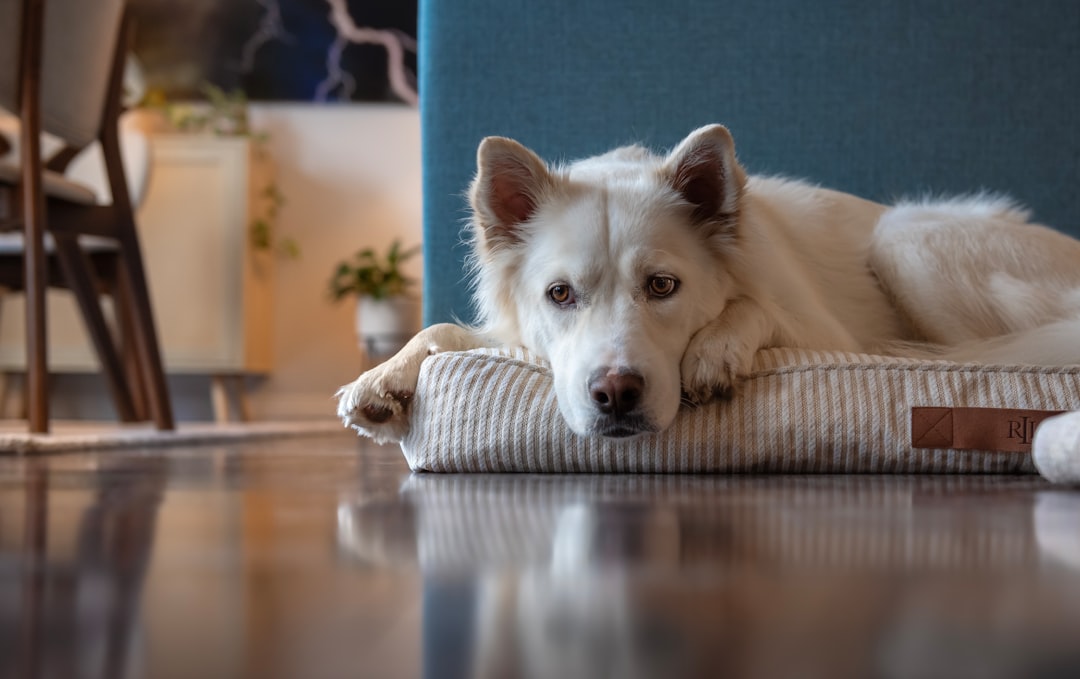
3. Offer their normal stress relievers
That might be sniffing, chewing, licking, quiet play, a secure field, a familiar enrichment activity or simply being left to sleep.

Individuality matters here. Chewing on a ball was a genuine stress reliever for Indie. When I removed his access to balls because I assumed they were winding him up, I actually made things harder for him.
4. Do not punish the reaction afterwards
Your dog is not going to connect punishment minutes later with a useful behavioural lesson. You will simply add another unpleasant event to an already difficult experience.
5. Write down what happened
Note the trigger, distance, location, what happened earlier that day, how intense the reaction was and how quickly your dog recovered.
One incident may look random. Five written incidents often reveal a pattern.
Do You Need A “Cortisol Break”?
You will often hear trainers use the phrase cortisol break to mean intentionally lowering demands and trigger exposure for a period after a stressful event.
I am less interested in giving every dog a rigid “72-hour” rule than I am in watching the dog in front of me.
Some dogs recover quickly. Others remain noticeably more vigilant or reactive for longer. The severity of the event, the dog’s baseline, sleep, pain, environment and whether more stressors keep arriving all matter.
Use behaviour as your guide rather than the clock alone.
When Should You Train Again?
When your dog looks and behaves like they have enough capacity to learn.
And when you do restart, it is sensible to make the first session easier than the one you were doing before the incident.
If the bubble had been thirty feet, perhaps you begin farther away. If you were working in a busy park, use a quieter location.
This is not “losing progress.” It is good training.
What If The Reaction Was A Dog Fight?
After any fight, prioritise physical safety first. Dogs can have punctures or injuries that are easy to miss under fur.
If the dogs live together, separate them while everybody settles rather than forcing an immediate reunion. Review what preceded the fight and manage the setup that allowed it to happen.
If fights are repeated, escalating or difficult to interrupt safely, involve a qualified behaviour professional.
A Bad Reaction Does Not Mean You Failed
One reaction is data.
It may tell you the dog needed more distance. It may expose a stronger trigger. It may show that the day was already too stressful. It may simply be bad luck.
Reactive dog progress is not linear, and the next useful step is usually not panic. It is information, recovery and an easier setup next time.
For the larger training framework, read Reactive Dog Training: How to Help a Reactive Dog.
0 Comments