After a dog fight or a huge reactive episode, sometimes the most productive thing you can do is make life boring for a little while.
Trainers often call this a cortisol break: a period where you deliberately reduce avoidable stress and give the dog time to come back toward their normal baseline.
There is no magic universal number of hours that works for every dog. I care more about what the dog is showing me than whether a timer has finished.
If you have just had a major incident, start with my full guide to what to do after your reactive dog has a big reaction. This page is specifically about what the low-pressure recovery period can look like.
What Is A Cortisol Break?
In practical terms, it means reducing the number of things your dog has to cope with after a highly stressful event.
That might mean quieter walks, avoiding known triggers, more sleep, familiar enrichment and temporarily dropping training goals that are likely to add frustration.
How Long Should A Dog Take It Easy?
There is no honest one-size-fits-all answer.
Some dogs look genuinely back to normal quickly. Others stay hypervigilant, reactive or unusually sensitive into the next day or longer.
With Indie, a night of good sleep could help enormously, but after a big incident his fuse could still be noticeably shorter the next day.
Watch the dog, not just the clock.

Good Recovery Activities
- Sleep and uninterrupted rest
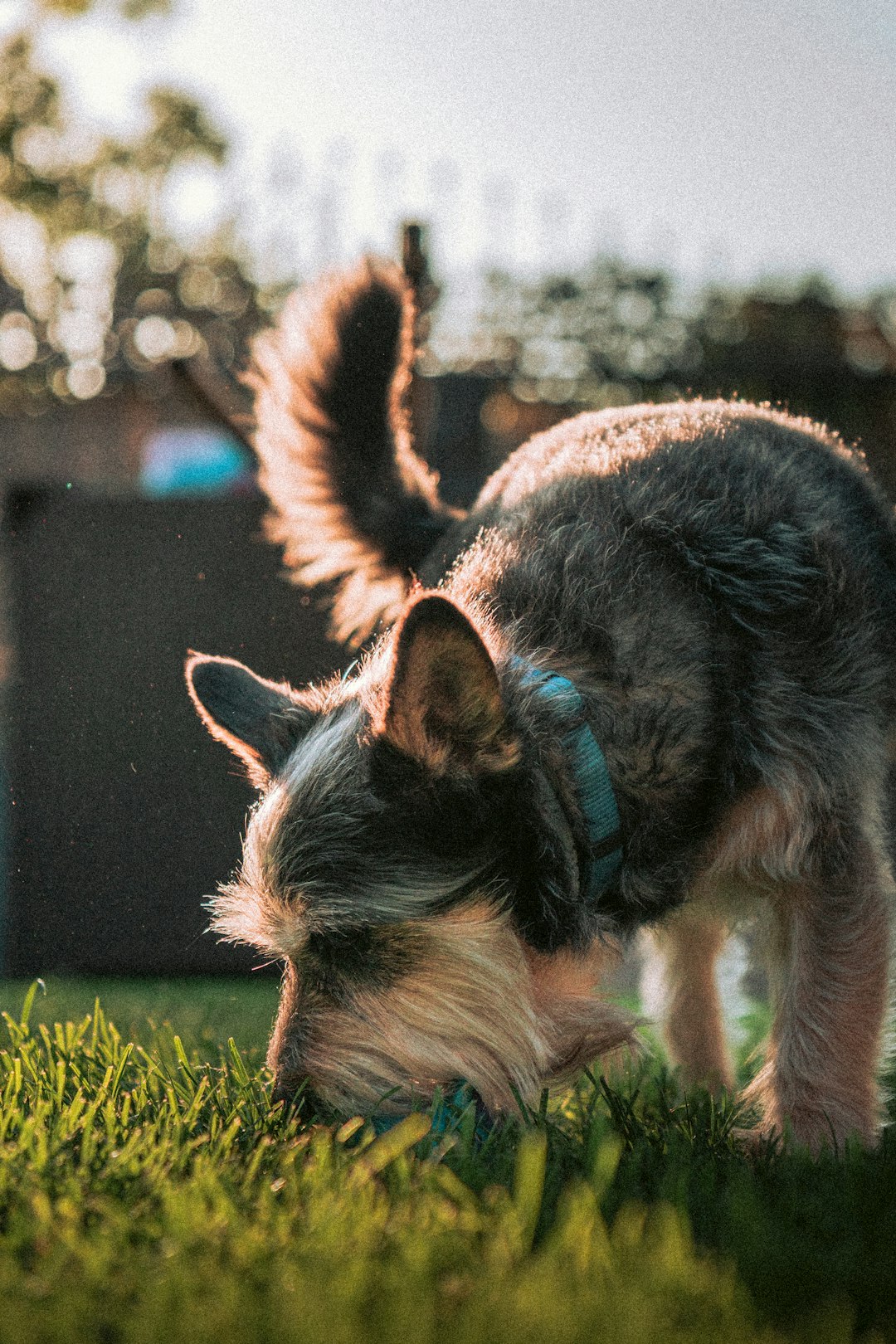
- Quiet sniffing opportunities
- Chewing if your dog finds it regulating
- Licking or familiar food enrichment
- A calm secure field or private outdoor space
- Low-pressure time with familiar people
My broader decompression activities guide has more options.
Reduce Avoidable Triggers
If your dog has already had an awful morning, today is probably not the day to intentionally walk past the barking dog at the end of the street.
Cross the road. Choose a different route. Close the blinds. Use the garden instead of the busy trail. Whatever is realistic.
This is not teaching avoidance forever. It is preventing more stress from landing on top of an already stressed system.
Do Not Try To “Exercise It Out”
A dog who is wired after an incident does not always need harder exercise.
High-intensity play, frantic fetch or a busy two-hour hike may add arousal rather than helping the dog settle.
Use the activities that actually regulate your dog.
Stress Relievers Are Individual
I learned this the annoying way with Indie.
Chewing a ball was one of his stress relievers. I removed access because I assumed the ball was making him more wound up, and instead I took away a coping behaviour that was helping him regulate.
So do not blindly copy somebody else’s decompression routine. Notice what leaves your dog softer and more settled afterwards.
When Can You Resume Training?
When your dog is showing enough capacity to learn again.
For the first session back, make it easy. Increase distance, pick a familiar location and aim for repeat success rather than immediately testing whether the dog can do what they did before the incident.
If you are seeing repeated bad days rather than one isolated event, that may be trigger stacking. I’ll link the dedicated trigger-stacking guide here once it’s live; in the meantime, my reactive dog training guide covers the broader framework.
And Take A Break Yourself If You Need One
Living with reactivity can be exhausting.
You are allowed to choose the easy walk, book a secure field, ask somebody trusted for help or have a low-demand day because you need the pressure off too.





0 Comments