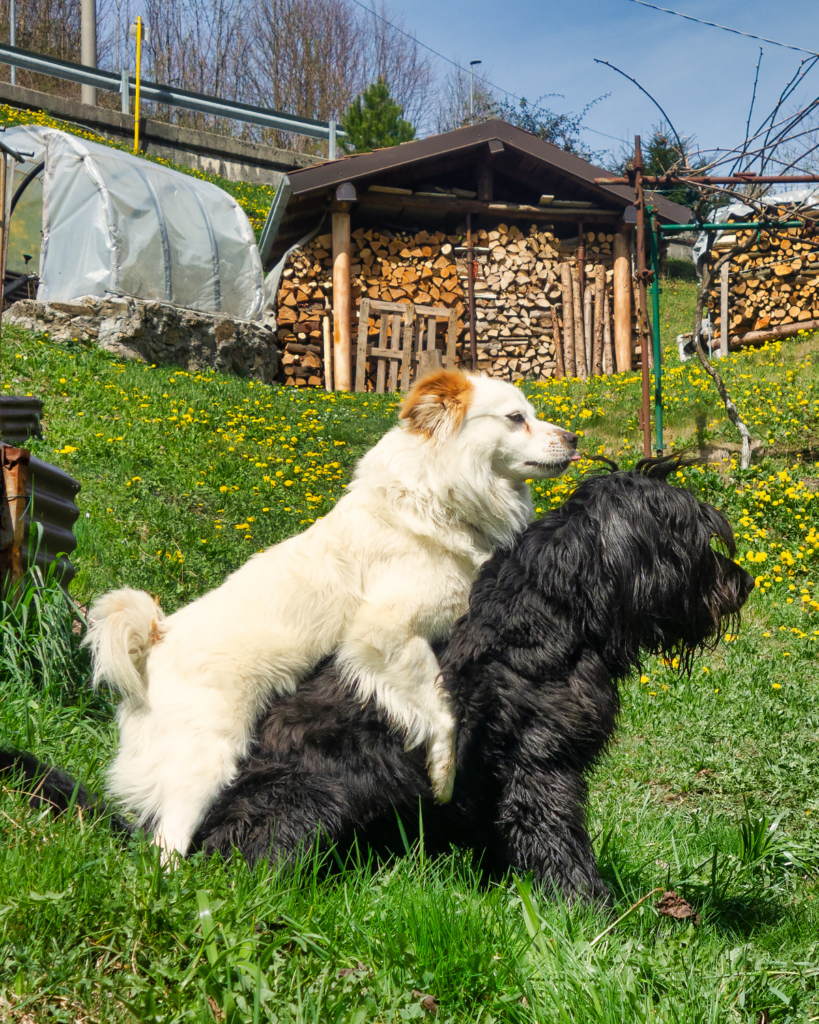
Puppy humping is usually normal, and it is rarely about dominance. Most puppies mount people, toys or other dogs because they are overexcited, overtired, stressed or struggling to regulate themselves. Puberty can play a role, but both male and female puppies hump—and young puppies often do it long before sexual maturity.
The useful question is not simply, “How do I make it stop?” It is, “What was happening immediately before my puppy started humping?” Once you spot the pattern, you can usually interrupt it calmly and address the actual cause rather than scolding a puppy who is already overwhelmed.
Quick Answer: Why Is My Puppy Humping?
- During wild play or in the evening: they are probably overstimulated or overtired.
- During greetings, visitors or unfamiliar situations: excitement, stress or anxiety may be driving it.
- Repeatedly with no obvious trigger: it may have become a learned, self-reinforcing habit.
- Around puberty or a female dog’s season: hormones may contribute, but they are not the only possible cause.
- Suddenly, excessively or alongside licking, irritation or urinary changes: speak to your veterinarian.
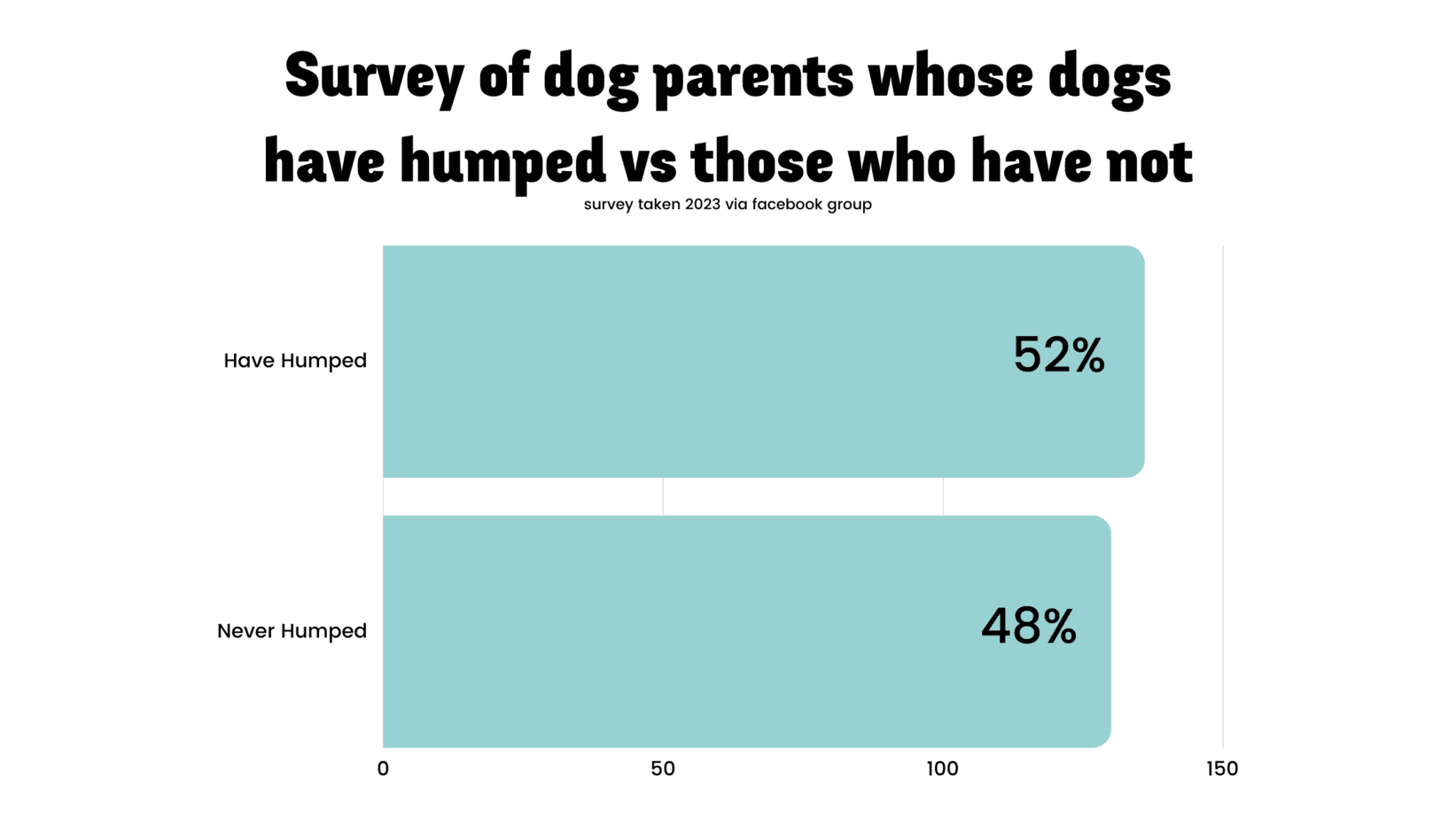
In a survey I conducted of 266 puppy guardians, 52% said their puppy displayed mounting or humping behavior. So yes, it can be awkward, but you are very much not alone.
Why Do Puppies Hump?
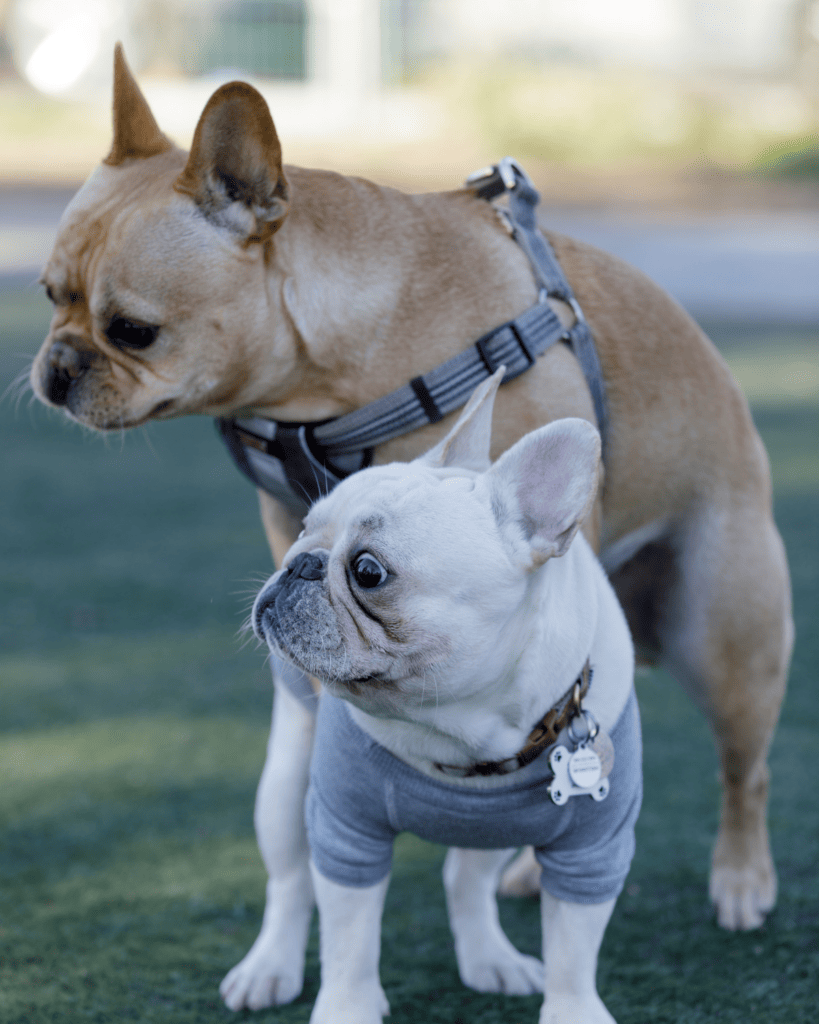
Why do pups hump? It’s actually usually emotional, believe it or not. It’s to do with an abundance of feelings, and almost like the wires just kind of get crossed! But let’s look at the most common reasons for your pup getting humpy. and yes, female puppies and dogs can hump too!
Overstimulated & Overtired
Indeed, overstimulation and overtiredness can also provoke humping behavior in puppies. When your young canine companion is flooded with excitement or overtired, humping can serve as a stress-coping mechanism.
In the throes of high excitement or intense play, puppies may hump as a response to the overwhelming feelings. This could include situations such as the introduction of a new pet, an exciting play session with other puppies, or receiving a lot of attention from the family members.
Likewise, the problem is not limited to overstimulation but extends to overtiredness. Similar to toddlers, puppies may begin to exhibit some behaviors when they’re tired, humping being one of them. In such cases, humping acts like a displacement behavior—a physical manifestation of an internal conflict, where the overtired puppy struggles to relax. A consistent puppy sleep schedule can make these evening flare-ups much easier to manage.
Stress & Anxiety
Similar to humans, dogs have various ways of dealing with stress and anxiety. One such coping mechanism can be humping. This behavior might be triggered due to excess energy built up when the puppy is anxious, and it doesn’t know how else to manage this stress. Essentially, it’s their way of trying to relieve the built-up tension. Humping is kind of just a way for pup to work out those emotions.
The environment and specific situations can also play into this. For instance, the stress could be triggered by a trip to a dog park or the vet.
The key is to help the puppy manage its stress and anxiety better. By identifying and addressing the source of stress, the behavior can be minimized. In cases where the behavior seems obsessive or stress-induced humping persists, seeking professional help can be beneficial to better manage your puppy’s stress and curtail the humping habit.
Unmet Needs
I would not jump straight to “boredom,” because that can be too vague to be useful. Sometimes the puppy needs more mental stimulation, but just as often they need more sleep, a toilet break, calmer play or a more predictable routine. Think in terms of unmet needs rather than simply trying to tire them out.
If your puppy humps every evening after zoomies, I would look at overtiredness. If it only happens when visitors arrive, I would look at excitement. If they repeatedly target the same toy while winding down, that is a different pattern again. The context tells you far more than the behavior on its own.
Sexual Maturity & Learned Behaviors
Puppies can start humping due to hormonal changes as they reach sexual maturity. The onset of puberty introduces a surge of hormones in puppies, which can influence their behavior significantly, including the propensity to hump. For female puppies, my guide to what to expect during a dog’s first season explains the wider behavioral and physical changes you may notice.
In male puppies, for instance, the increasing testosterone levels associated with sexual maturity can incite humping. While for females too, hormonal changes as they come into heat can prompt similar behavior.
However, it’s crucial to remember that humping in puppies and dogs isn’t always about reproductive instincts, and neutering or spaying them, while it might decrease the behavior, might not eliminate it entirely. Many puppies continue to hump as it can become a learned behavior or they may be finding it stimulating for the genital area and it may have become a form of masturbation.
Do All Puppies Hump?
No. Humping is common, but not every puppy will do it, and those who do may only show it in very specific situations. Some mount littermates during play, some target toys, and others only do it when they are tired or overwhelmed.
The difference usually comes down to the individual puppy, their environment, their routine and how they cope with excitement or stress. Not humping is normal. Occasional humping is also normal.

Is Puppy Humping Normal?
Yes, puppy humping is usually normal. It can appear during play, excitement, frustration, tiredness or stress, and some puppies discover that the behavior itself is stimulating.
They may hump toys, beds, people or other dogs. None of that makes your puppy dominant, and it does not automatically mean the behavior is sexual.
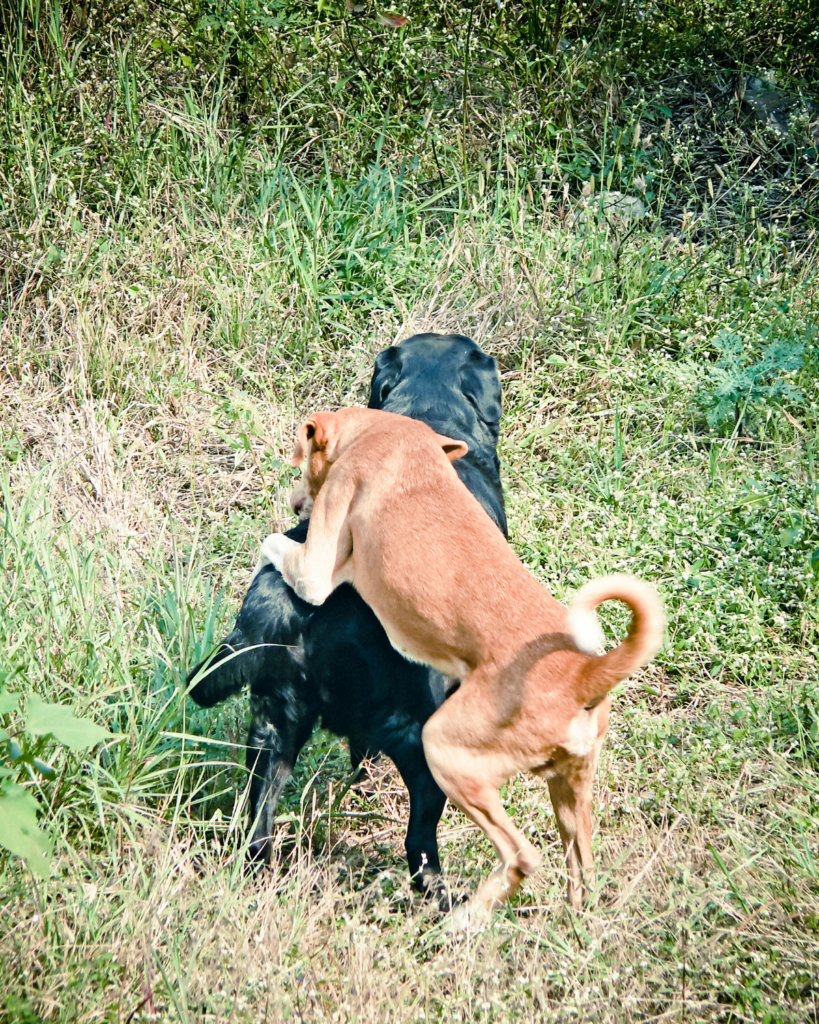
This behavior is often exhibited during play, as brief moments of humping between dogs can be a harmless expression of their interactive behavior.
Moreover, it’s not only male pups that indulge in humping but females too. The behavior is present regardless of the gender of the puppy.
However, while it is normal, it’s important for pet parents to understand why their puppy might be humping. Hormonal changes, overstimulation, anxiety, and even tiredness can all incite such behavior. Recognizing the causes can help manage or mitigate the behavior if it becomes problematic.
Remember, although humping is generally normal, depending on the frequency and context, it may occasionally indicate a medical problem. Therefore, it would be wise to consult with a veterinarian if the behavior seems excessive or out of place.

Will Spaying or Neutering Help?
Sometimes—but not reliably. If hormones are contributing to the behavior, spaying or neutering may reduce it. But plenty of puppies hump because they are overstimulated, stressed, overtired or because the behavior has become a habit. In those cases, surgery is unlikely to be a complete fix.
I would not use humping alone as a reason to rush into spaying or neutering. Timing should be based on your puppy’s breed, size, sex, health and individual circumstances—not one awkward behavior.
You’ve not mentioned that humping is a sign of Dominance, Why Not?
Because dominance theory was debunked. Your puppy is not humping to become “alpha,” take control of the household or improve their social status. Mounting is far better explained by excitement, stress, frustration, tiredness, hormones or learned behavior.
That old explanation hangs around because humping looks socially awkward to us, so people reach for a dramatic reason. But in practical training terms, treating it as a regulation problem is much more useful than treating it as a power struggle.
Is There A Time I Should Be Concerned About Humping?
Humping is usually behavioral, but sudden or excessive mounting deserves a closer look.
- It becomes difficult to interrupt. Persistent humping can point to significant stress, overarousal or a developing compulsive pattern. Calmer routines and decompression activities may help, but get professional support if it continues.
- It starts suddenly. A new behavior can sometimes be linked to urinary discomfort, skin irritation, genital irritation, allergies or pain—especially if you also notice licking, scooting, frequent urination, straining or sensitivity to touch. The MSD Veterinary Manual’s dog-owner resources are a useful veterinary reference, but this still warrants an actual veterinary check rather than home treatment.
- It causes conflict with another dog. Do not wait for the other dog to tell your puppy off. Use your recall cue, separate them briefly and let both dogs settle.
- It interrupts normal life. If your puppy is humping instead of eating, sleeping, playing normally or settling, that is no longer an occasional awkward puppy behavior.
Start with your veterinarian when there is a sudden change or any sign of physical discomfort. If medical causes are ruled out, a qualified positive-reinforcement trainer or clinical behavior professional can help you identify the trigger and build a practical behavior plan.
How to Stop Puppy Humping
Do not shout, push your puppy away roughly or turn it into a battle. That usually adds more excitement to an already overexcited puppy. Instead, interrupt early and calmly. This also follows the American Veterinary Society of Animal Behavior’s guidance favoring humane, reward-based training rather than aversive methods.
- Interrupt before they fully start. Watch for the lead-up: frantic play, pawing, climbing, grabbing clothes or repeatedly targeting the same dog or person.
- Call them away. Use their name, recall cue or a cheerful food scatter. Reward them for disengaging rather than punishing the mounting.
- Give them a short reset. Move them to a quieter space with a chew, lick mat or stuffed toy. This is a break, not a punishment.
- Check what they need. Many puppies need sleep, a toilet break or less intense play—not more exercise. A puppy who repeatedly humps in the evening may simply be overtired.
- Prevent repeated rehearsal. If they keep returning to the same person, toy or dog, end that interaction for now. Repetition makes the behavior easier to repeat next time.
- Adjust the routine. Add calmer enrichment, regular naps and shorter play sessions. A predictable puppy routine often helps far more than repeatedly correcting the behavior.
If humping happens during play with another dog, step in before the other dog has to correct your puppy. Recall them, give them a couple of minutes to settle, then decide whether they are calm enough to return. If play is already getting noisy or rough, my guide to puppy growling during play will help you read whether the interaction is still healthy.
What Not to Do When Your Puppy Humps
- Do not punish or shout. That can add more stress or excitement and make the behavior harder to interrupt.
- Do not alpha-roll, pin or physically intimidate your puppy. Dominance theory was debunked, and these methods risk damaging trust.
- Do not knee, kick or roughly shove them away. Calmly create distance and redirect instead.
- Do not assume it is sexual. Young puppies commonly hump because they are tired, stressed or overstimulated.
- Do not keep repeating “no” without changing the situation. Interrupt the behavior, then address the need or trigger behind it.
When to seek professional help
Sometimes you try all the things, and things don’t change, or you’re just unsure where to start, that’s when you seek help! Just remember, we want to make sure that they’re a certified professional dog trainer or behaviorist and that they only use positive reinforcement based training.
And, just FYI? I’m here to help!
Puppy Humping FAQs
Why does my puppy hump me?
Your puppy is most likely excited, overtired, stressed or seeking an outlet for big feelings. It is not a sign that they are trying to dominate you. Calmly interrupt, give them something else to do and look at what was happening immediately beforehand.
Why is my female puppy humping?
Female puppies hump for the same broad reasons male puppies do: excitement, play, stress, frustration, tiredness, hormones or habit. Humping is not exclusively male or necessarily sexual.
Should I let my puppy hump toys?
Occasional toy humping is not automatically harmful. I would interrupt it if your puppy becomes frantic, cannot disengage, guards the toy, injures themselves or repeatedly uses humping instead of resting. The context matters more than the object.
Why does my puppy hump when tired?
Overtired puppies often lose their ability to regulate themselves. Much like a tired toddler becoming louder rather than sleepier, a puppy may start biting, zooming or humping when they need help settling down.
The Bottom Line
Puppy humping is common in both sexes and is usually a sign of excitement, stress, tiredness, hormones or a learned habit—not dominance. Interrupt it calmly, help your puppy regulate and pay attention to the situations in which it happens.
If the behavior appears suddenly, becomes difficult to interrupt, causes conflict with other dogs or comes with licking, irritation or urinary changes, speak to your veterinarian. Otherwise, this is usually a manageable puppy behavior rather than a crisis.

Author, Ali Smith
Ali Smith is a professional, qualified, and multi-award winning trainer is the founder of rebarkable. She has always believed animals deserve kindness and champions force free methods. Believing that dog guardians will all choose the kindest options if proper information is provided, she aims to help all dog guardians who need it and make dog training as accessible as possible
Ali lives win Maryland, US with her husband and her three dogs.




0 Comments