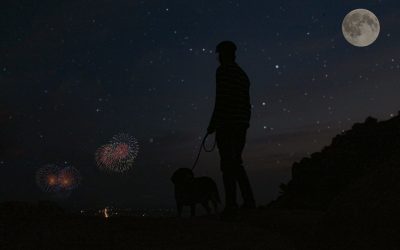
After a frightening fireworks event, some dogs temporarily avoid the yard, street or time of day when it happened.
That makes sense. The location has become part of the prediction: outside, darkness or a particular doorway may now mean “that terrifying noise might happen again.”
Make the First Trips Tiny

Use the quietest area, keep the trip brief and reward easy success.
At first, success might simply be stepping onto the porch, sniffing for ten seconds and going back inside.
Change the Context
Try daylight, a different exit, a quieter route or a different patch of grass if the original location has become a strong predictor of noise.
Changing one part of the picture can make the task easier without avoiding outside forever.
Do Not Drag Them
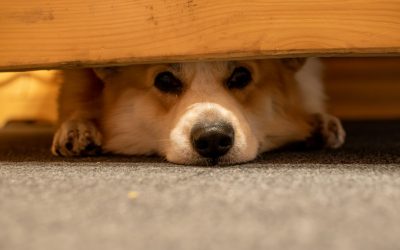
Forced exposure can deepen the association that outside is unsafe.
If your dog plants their feet, tries to run back inside or shuts down, make the next attempt easier rather than stronger.
Use Food or Play if They Can Engage
Toss a few treats near the doorway, use a familiar toy or do one very easy behavior the dog enjoys.
Leave while they are still coping. You are trying to create repeated boring successes, not see how long they can tolerate being outside.
Keep Toilet Needs Practical
If your dog genuinely needs to toilet but is scared, use the nearest acceptable spot and give them time without pressure.
Do not turn toilet refusal into a standoff. If they are straining, repeatedly trying to urinate, or seem physically uncomfortable, that is a veterinary issue rather than something to blame on fireworks.
What If They Were Fine Before Fireworks?
A single bad night can create a temporary fear association. It does not necessarily mean you now have a permanently fearful dog.
Many dogs improve as the environment becomes predictable again, especially if they are not repeatedly pushed into the scary context.
Reduce Pressure the Next Day
Keep walks familiar and low-key. Extra sniffing, sleep and shorter outings can help after a rough night.
See how long it can take dogs to settle after fireworks.
When to Get Help
If the avoidance lasts, spreads to other places, prevents normal toileting or is accompanied by major panic, talk to a qualified behavior professional and your veterinarian.
For future events, work on fireworks desensitization well before the next display.
Bottom Line
Rebuild outside as safe through short, boring, successful repetitions. Confidence returns faster when the dog feels they have some control.


0 Comments