“High-energy dog” gets used as though it means one simple thing: a dog who needs a lot of exercise.
That’s too simplistic.
Some dogs have exceptional physical stamina. Some have intense working drive. Some are highly environmentally sensitive. Some get aroused very quickly and struggle to come back down. Some need a job, some need access to scent or movement, and some will happily run for miles but still be unable to settle in your living room afterwards.
So if you’re choosing a high-energy dog breed because you run, hike or spend a lot of time outdoors, that’s a start — but it isn’t enough on its own.
The better question is whether the dog’s drive, arousal, instincts, resilience and ability to switch off fit your actual life.
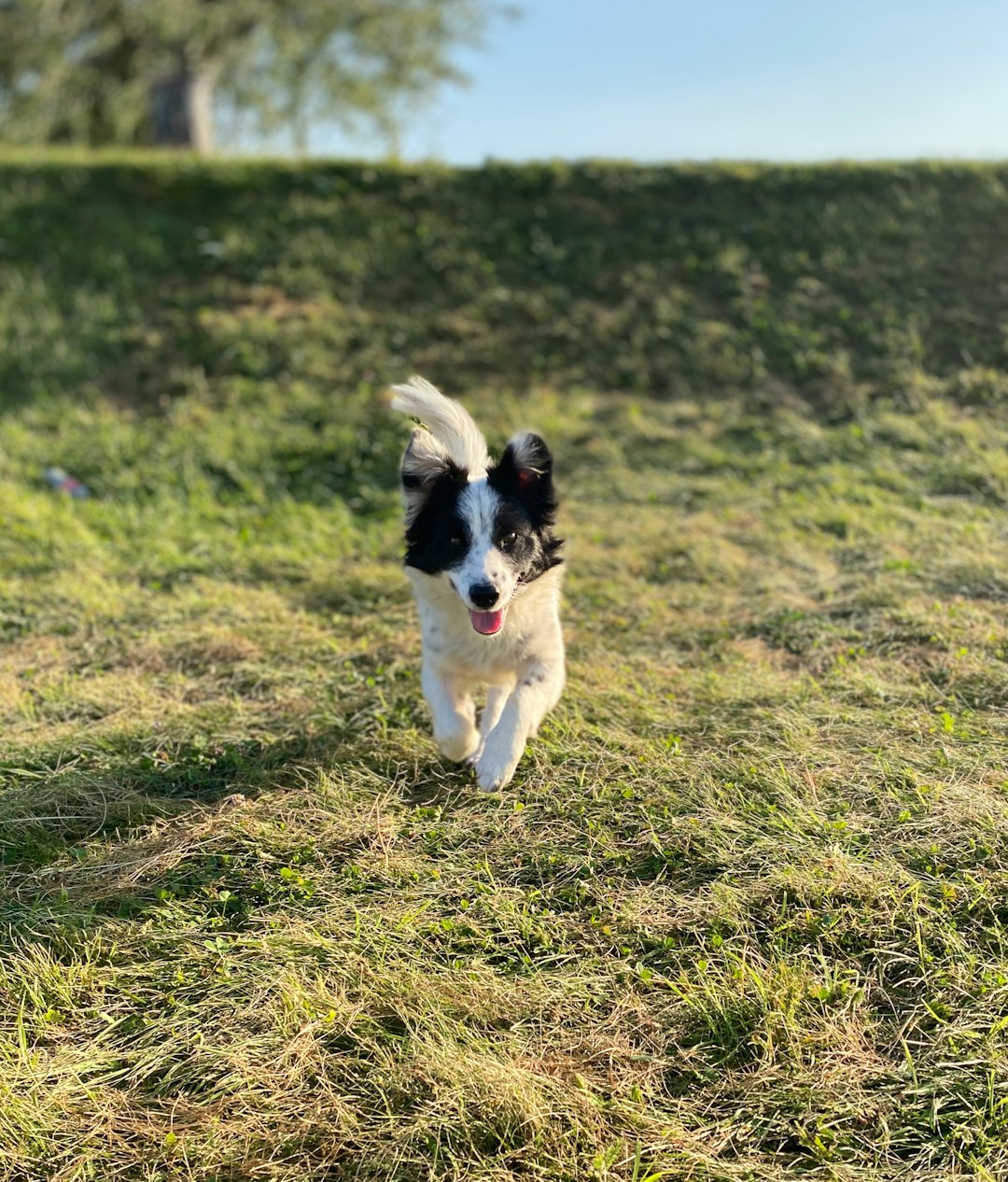
What Makes a Dog “High Energy”?
I tend to break it into a few different things:
- Physical stamina: how long the dog can keep going.
- Working drive: how strongly they want to perform breed-typical tasks.
- Arousal: how quickly they become physiologically and emotionally activated.
- Persistence: how hard they keep trying once they’re engaged.
- Environmental sensitivity: how strongly they notice movement, scent, novelty or changes around them.
- Recovery: how easily they can come back down and rest after activity.
Two dogs can both look “high energy” while needing completely different management.
A Border Collie scanning the environment for movement is not the same problem as a Husky wanting to run, and neither is the same as a Springer Spaniel disappearing into scent.
More Exercise Is Not Always the Answer
This is the bit that gets missed constantly.
If your dog is intense, restless or difficult to settle, simply adding more and more exercise can backfire.
You can create an extremely fit dog with an even bigger exercise requirement.
That doesn’t mean high-energy dogs don’t need exercise. They absolutely do. But the goal is not to exhaust them every day.
A good plan usually includes a mix of:
- physical exercise
- breed-relevant outlets
- sniffing and exploration
- training
- problem-solving
- rest
- learning how to settle
The balance matters more than the mileage.
21 High-Energy Dog Breeds
1. Border Collie
Border Collies are often treated as the poster child for “just give them a job,” but even that can be too vague.
They were bred to notice tiny changes in movement, respond quickly and work with astonishing persistence. That can make them brilliant in the right home and exhausting in the wrong one.
I would not choose a Border Collie simply because you enjoy long walks. I’d want to know whether you enjoy training, whether you can give them thoughtful outlets for movement and control, and whether you’re prepared to teach relaxation as deliberately as you teach skills.
2. Belgian Malinois
Malinois are not just “high energy German Shepherds.” They are often much more intense than that description suggests.
They can have exceptional working drive, fast arousal and huge persistence. That combination is exactly why they’re so successful in demanding working roles — and why they can be such a poor fit for an ordinary pet home.
I would not recommend one because you hike a lot. I’d recommend one only if the actual behavioural package appeals to you.
3. Australian Shepherd
Aussies can be athletic, clever, vocal, movement-sensitive and extremely engaged with their environment.
Many enjoy agility, obedience, hiking and training, but activity alone isn’t enough. They may also need help learning neutrality around motion, visitors, other dogs and exciting situations.
For the right person, they’re fantastic. For someone who wants an easygoing jogging companion, maybe not.
4. Jack Russell Terrier
Small dog, enormous amount of terrier.
Jack Russells were developed to hunt, pursue, dig and persist. That means their energy often shows up as intensity, independence and a strong interest in the environment rather than simply “needing more walks.”
Give them appropriate opportunities to sniff, dig, search and problem-solve. Trying to tire them out with endless fetch can just build a fitter terrier.
5. Siberian Husky
Huskies are endurance dogs.
They were built to move over distance, and many retain a strong desire to run and explore. That doesn’t make them automatically good hiking dogs off lead, because independence and prey drive can complicate recall.
I’d think carefully about secure exercise, heat, pulling outlets and realistic management rather than assuming a large yard solves the problem.
6. Labrador Retriever
Labs are often described as easy family dogs, and that can hide how intense young Labradors actually are.
They can be physical, mouthy, social, enthusiastic and relentless when reinforcement is available.
Swimming, retrieving, scent work and training can suit them beautifully. Just don’t assume “friendly” means naturally calm.
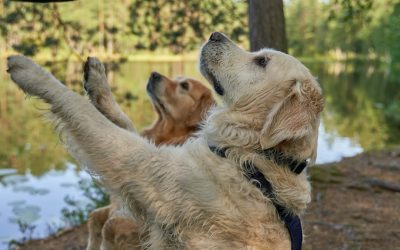
7. Golden Retriever
Goldens are similar in that their sociability can disguise how much drive and stamina sits underneath.
Young Goldens can be wonderfully trainable and magnificently chaotic at the same time.
They tend to do well with retrieving, swimming, scent-based work and structured training — but they also need to learn how to stop.
8. Dalmatian
Dalmatians have serious endurance history as carriage dogs.
They’re athletic and often enjoy running, but I wouldn’t reduce them to “great for runners.” Temperament, soundness, deafness screening and overall breeding quality matter hugely.
An active lifestyle is useful. It is not the whole picture.
9. Boxer
Boxers can be bouncy, physical, playful and slow to mature.
The challenge is often less “can they exercise enough?” and more “can they regulate themselves when exciting things are happening?”
Training around greetings, handling, frustration and settling can be as important as the actual exercise plan.
10. English Springer Spaniel
Springers often have tremendous scent drive and enthusiasm for moving through the environment.
I’d prioritise sniffing, searching, retrieving and recall work rather than relying only on high-speed physical exercise.
They can be fantastic companions for active homes, but the best outlet is usually one that lets them use their spaniel brain.
11. Weimaraner
Weimaraners are athletic, powerful and often very people-oriented.
They can struggle if owners focus entirely on physical exercise while ignoring independence skills, calmness and emotional regulation.
Running them harder is not a substitute for teaching them how to cope with ordinary life.
12. Vizsla
Vizslas are often affectionate, athletic and deeply connected to their people.
That combination can be wonderful, but it can also mean they need thoughtful work around separation, settling and frustration.
They usually enjoy training and exercise, but don’t assume the answer to clinginess or restlessness is simply another five miles.
13. Irish Setter
Irish Setters are athletic gundogs with plenty of stamina and exuberance.
They can be joyful, social and busy, particularly when young.
Give them space to move, opportunities to sniff and explore, and enough training that all that enthusiasm doesn’t become complete chaos.
14. German Shorthaired Pointer
GSPs can be a lot of dog.
They combine endurance, prey drive, environmental awareness and a strong desire to search and move.
For many, breed-relevant outlets like scent, searching and tracking are far more satisfying than endless pavement miles.
15. Australian Cattle Dog
Cattle Dogs are tough, persistent, clever and often very aware of movement.
They can become obsessive if all their stimulation is fast and high-arousal, so I like balancing training and physical work with sniffing, chewing, decompression and deliberate rest.
They need outlets. They also need an off-switch.
16. Brittany
Brittanys are energetic, athletic bird dogs with plenty of enthusiasm for scent and movement.
They can be fantastic active companions, but I’d still build their lifestyle around more than exercise: recall, scenting, hunting-style games and calm recovery all matter.
17. Coonhound
Coonhounds are a great example of why “energy” isn’t always about speed.
Their stamina, scent drive and persistence can be extraordinary. A coonhound may be perfectly happy walking for miles because they’re following scent, not because they need to sprint.
Letting them use their nose is often a much better answer than trying to physically exhaust them.
18. Doberman Pinscher
Dobermans can be athletic, responsive and highly engaged with their people.
They often do well with training, structured activity and jobs that involve close cooperation.
I would also put real emphasis on confidence, neutrality and the ability to settle rather than making every day a high-intensity training session.
19. American Staffordshire Terrier
AmStaffs can be strong, enthusiastic and very physical dogs.
Some enjoy tug, hiking, scent work and training enormously. Their individual dog-dog sociability can vary, so I would never make blanket claims about them being perfect dog-park dogs or universally easy family pets.
Fit the plan to the actual dog.
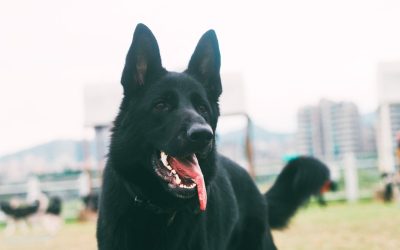
20. German Shepherd Dog
German Shepherds can combine physical stamina with environmental sensitivity, guarding tendencies and a strong desire to engage with their handler.
I know this breed personally, and I would never reduce them to “needs a lot of exercise.”
Good training, appropriate outlets, confidence, neutrality and recovery matter just as much as physical activity.
21. Rhodesian Ridgeback
Ridgebacks can be athletic and powerful, but they’re not always busy in the same way as herding or sporting breeds.
Many are capable of substantial activity and then very happy to sleep.
That distinction matters. High physical capability is not identical to constant high arousal.
Are High-Energy Dogs Good Family Dogs?
Sometimes. That’s the only honest blanket answer.
I would not label any breed “great with children” purely because of breed reputation. A high-drive, highly aroused or physically intense dog can be difficult in a home with young children even if that breed is generally social.
Likewise, an individual dog from an energetic breed can be brilliant in a family when the home understands them and sets everyone up well.
Look at the actual dog, the breeding lines, the household, the children’s ages and behaviour, and whether the adults can realistically manage the interaction.
How Much Exercise Does a High-Energy Dog Need?
There is no useful universal number.
“Two hours a day” is one of those internet answers that sounds precise but often isn’t.
A young working-line Malinois, a mature Ridgeback and a senior Labrador do not need the same thing.
Instead, I would ask whether the dog is getting:
- enough physical movement for their age and body
- appropriate opportunities to use breed-typical behaviours
- time to sniff and explore
- training that builds useful life skills
- enough sleep and genuine downtime
- help learning how to regulate and recover
Signs You’re Doing Too Much
More is not always better.
A dog who becomes increasingly frantic, obsessive about balls, unable to settle, constantly demanding activity or physically sore may not need even more stimulation.
They may need a better balance.
I would be particularly cautious about using repetitive fetch, high-speed chasing or constant intense sport as the main way to manage a dog’s energy. If fetch is already becoming compulsive, my guide to preventing ball obsession goes into that in more detail.
What Actually Helps High-Energy Dogs?
The best plans usually include a mix of:
- sniff walks
- hiking or running where appropriate
- swimming for dogs who enjoy it
- tracking or scent games
- retrieving for retrieving breeds
- tug
- digging opportunities for dogs who love to dig
- shredding and chewing
- training
- dog sports where the dog genuinely enjoys them
- quiet decompression
- sleep
Fulfilment is usually more effective than simply trying to burn calories. For more ideas, see 16 Summer Enrichment Ideas for Dogs That Won’t Overheat Them, which includes sniffing, swimming, digging and quieter options rather than just more mileage.
Choosing a High-Energy Breed
If you’re choosing one of these breeds because you want a hiking or running partner, look beyond the activity itself.
Ask yourself:
- Do I enjoy training?
- Can I live with this breed’s natural instincts?
- How much arousal can I realistically manage?
- Can I provide appropriate outlets, not just exercise?
- Am I comfortable with the breed’s prey drive, herding, guarding or scenting tendencies?
- Can I teach and protect rest?
A high-energy dog should fit your life when the weather is awful, when you’re tired, when work is busy and when the novelty of having an “adventure dog” has worn off.
That’s the test I’d use.
Final Thoughts
High-energy dogs don’t need to be exhausted into good behaviour.
They need a life that makes sense for the dog in front of you.
Exercise matters. So do instinct, enrichment, training, management, recovery and rest.
If you get that balance right, these dogs can be phenomenal companions.
If you get it wrong, doing more and more can actually make the problem bigger.

0 Comments