This is a really popular question, and it’s something that a lot of dog owners ask me – because there’s a lot of conflicting information out there.
Our canine companion is usually a part of our life that we love, and humans tend to show affection with a cuddle, because for us humans, it’s great for giving that boost of the love hormone, Oxytocin. As those oxytocin levels go up, we tend to bond more deeply. And we pet parents definitely want to share that love with our furry best friend.
It’s just the way humans tend to express affection. Yet, is this the best way to communicate that affection or share that affection with our furry family members? Let’s discuss!
Should I Cuddle My Dog?
Yes, if your dog actually enjoys it. But I think we need to separate “cuddling” from simply being close to your dog. If by cuddle you mean wrapping your arms around them and holding them there, a lot of dogs aren’t particularly keen.
I have three very affectionate dogs and all three have different opinions on this. Indie tends to settle close to me and, depending on how hot he is, may put his head on me. Lucy is usually half in my lap. Shelby? All of her is in my lap. None of that necessarily means they want me to wrap my arms around them.
Indie will tolerate an actual hug. I know this because, maybe twice a year, I decide I need a puppy hug for my benefit. Afterwards he’ll often shake off, yawn or lip lick. He’s pretty clearly telling me that wasn’t his favourite interaction. Lucy is even clearer: hugging her can send her into her best Tigger impression – racing around, bouncing and licking your face. It looks silly and excited, but for her it’s an “I’m uncomfortable” response, so I don’t hug her. Shelby doesn’t seem particularly bothered by it, but I don’t see much evidence that she enjoys it either.
That’s really the rule here: don’t decide that cuddling is affectionate just because it feels affectionate to us. Let your dog initiate contact as much as possible, watch what they do during it, and make it very easy for them to say “no thanks”.
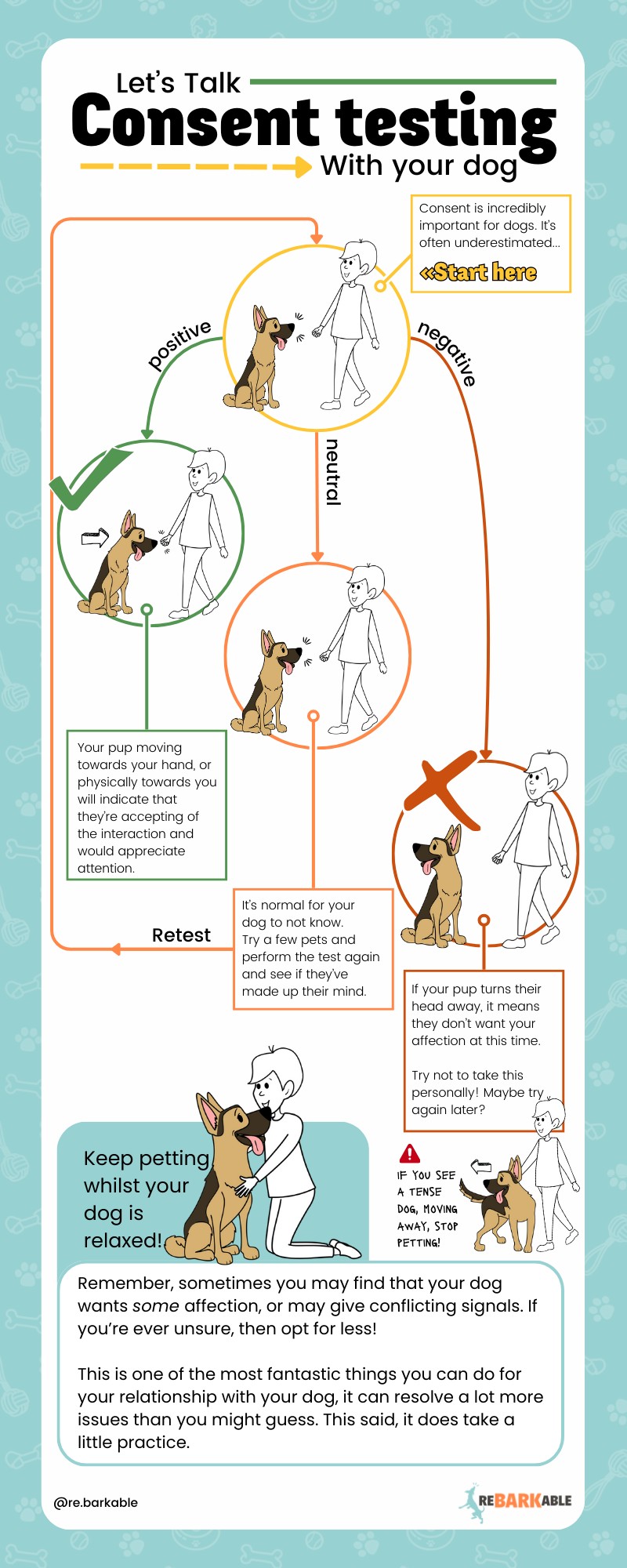
Quick consent check
- Pet your dog briefly, then stop and take your hands away.
- If they lean back in, nudge you, paw for more or otherwise re-initiate contact, carry on.
- If they look away, lean away, lip lick, stiffen, move away or simply don’t ask for more, leave it there.
I use consent tests with my own dogs too. It’s a very simple habit, but it stops us confusing a dog who tolerates touch with a dog who is actively asking for more.

Should We Cuddle A New Dog? Or Someone Else’s Dog?
This one is a hard no.
If you don’t know the dog, especially if you don’t ask permission, this is a great way to expose yourself to getting bitten – not to making a new friend! Whether you’re at a dog park, or visiting a neighbour – avoid this one.
What Are We Referring To When We Say “Cuddles”?
When I’m talking about cuddling here, I’m referring to envoloping your dog in your arms, and holding them close, or sometimes even a one armed ‘hug’.
What The Studies Say…
Recent studies have found that cuddling your dog has a bunch of positive results for humans (like this new research), much as stress relief and increased sociability. But this study was a one way study. There were three dogs used in this study were never tested for how the effects (such as the levels of cortisol) of being cuddled by these different people affected them. And unfortunately, that’s a big trend. We look at a lot of our interactions with dogs, as what benefit we humans can get – and not necessarily how it affects our pets.
Why Don’t Dogs Typically Like Cuddles?
Many dogs are fine with touch but less comfortable with restraint. Wrapping your arms around a dog can limit their movement, bring your face very close to theirs and make it harder for them to create space if they want to.
That doesn’t mean a hug has one universal meaning in “dog language,” or that every dog finds it threatening. It means we should judge the individual dog in front of us instead of assuming they experience a human-style cuddle the way we do.
How Do I Know If My Dog Does Like Cuddles?
Don’t judge this by whether your dog is affectionate generally. Lucy is a great example: she’ll voluntarily spend plenty of time half in my lap, but she does not want me enclosing her in a hug. Shelby will put her entire self in my lap, while Indie is much more likely to settle beside me or rest his head on me. Those are all affectionate choices.
What I’m looking for is whether the dog is loose, relaxed and choosing to stay involved – and, ideally, whether they come back for more when I stop.
Relaxed
Loose body language here is going to be what you look for.
- Happy pants
- No lip tension
- Relaxed ears
- Leaning into it
- Seeking it out
Then, of course, seeing things like them voluntarily becoming lap dogs? Sometimes the signs are really obvious!
How Do I Know If My Dog Doesn’t Like Cuddles?
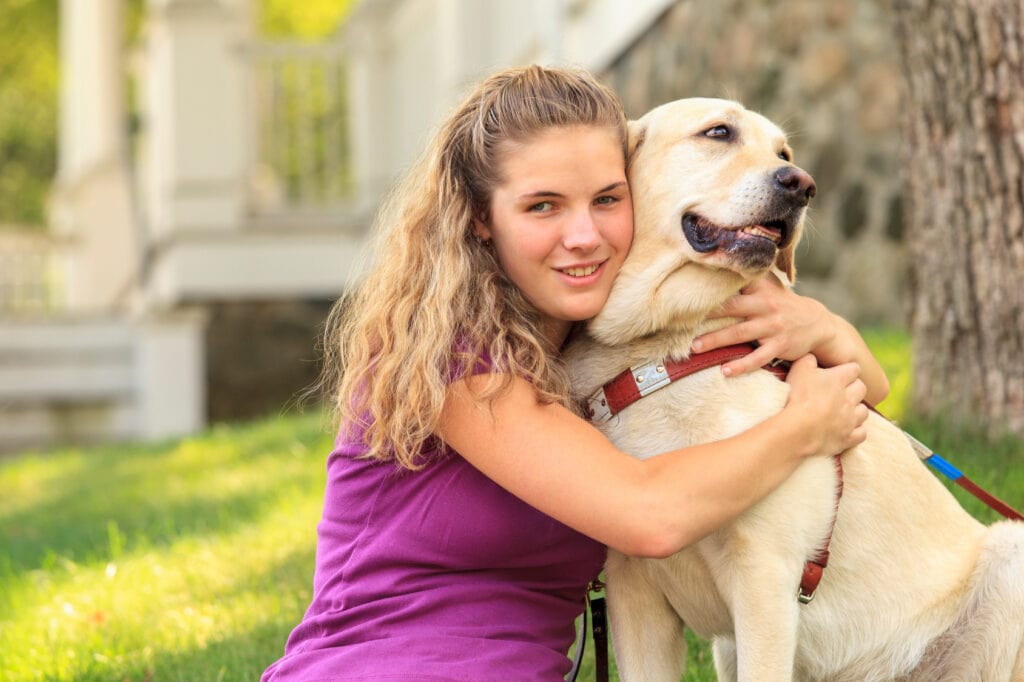
Stress and displacement signals are really important here. All of the images in this post are pretty much a “Don’t like”? Usually because the dogs in stock images are shoved in with people they don’t know and then they’re getting cuddled and they’re like “Ah, uhm… nope”, so it’s really easy to highlight (for a change!). So, I’ve highlighted all the signs the dogs are giving that they’re not happy in these images.
Look for the whole picture rather than treating one signal as a diagnosis. A yawn after waking up is just a yawn. But a dog who turns their head away, pins their ears, gets tense, lip licks and then stress-yawns while you’re holding them? That’s information. Whale eye, looking away, leaning away, a tense “grin”, pinned ears and shake-offs can all matter in context.
And discomfort isn’t always quiet. Lucy gets frantic and goofy when she’s uncomfortable with a hug: bouncing, racing around and licking faces. That could very easily be read as “she loved it!” if I only looked at how energetic she became afterwards.

Lip Licking
A lip lick is an early one, it’s also a very subtle, almost invisible displacement. It’s an example of facial expressions that dogs give (like whale eye), where the tongue will lick of flick super subtly out of the mouth or onto the lips. This is a sign of nervousness, and shows another dog that they want space, they’re showing this discomfort, and that they want the other dog’s energy to go elsewhere.
Lip licking is a sign of nervousness and a sign to another dog or person that the dog is uncomfortable! And that, generally, they want a little space.
Yawning
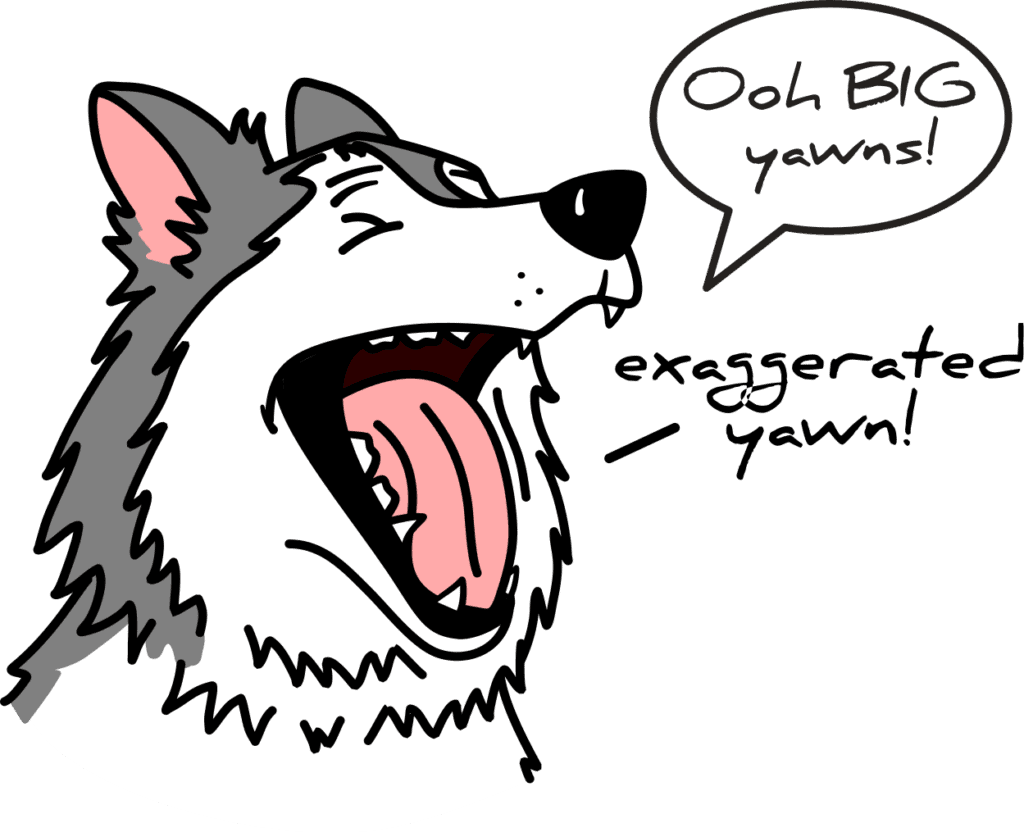
This one is also one of the signs of stress, and whilst in young dogs it might be tiredness (or any dog, to be honest!), the context is very important, but an exaggerated yawn that’s not to do with tiredness directly. This behaviour is a signifier to other dogs, people or animals that they’re not into it!
Yawning is a classic stress signal, it’s a signal that says “I’m too tired to engage” and directs attention elsewhere
Whale Eye
Whale eye is one of those things we see when our dogs show the whites of their eyes, it’s a strong sign of stress in our pets. So if you see this? Back off and give them more space
This is relative to your dog and where they’re naturally looking too, so for example, my hounds show a lot of the white of their eyes naturally, and if they’re looking sideways, even more so. So just bear that one in mind.
Scratching
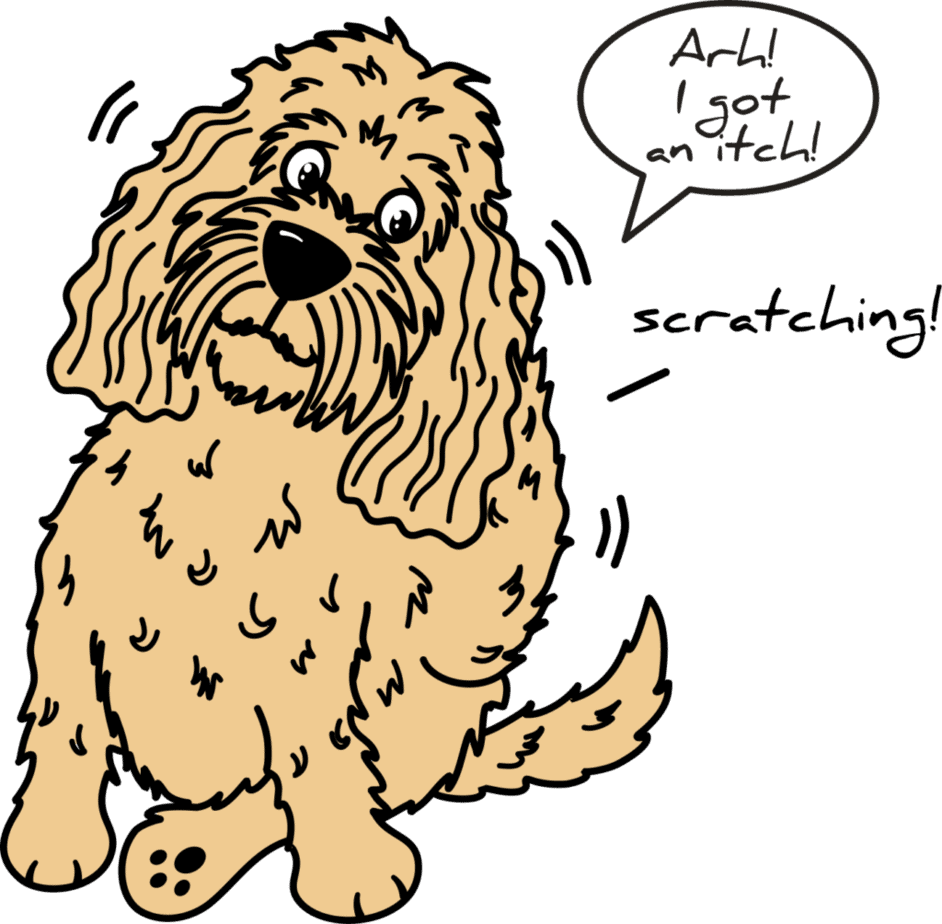
A sudden itch that finding an itch is another “oh, I’m so busy right now” type of signal that should tell another dog (or person!) leave me alone for a minute, I just gotta deal with this itch.
This way your dog can disperse an oncoming dog, person or source of discomfort away from them and encourage them to go find a new place to put their attentions. It’s a really easy way to push someone away.
Grooming
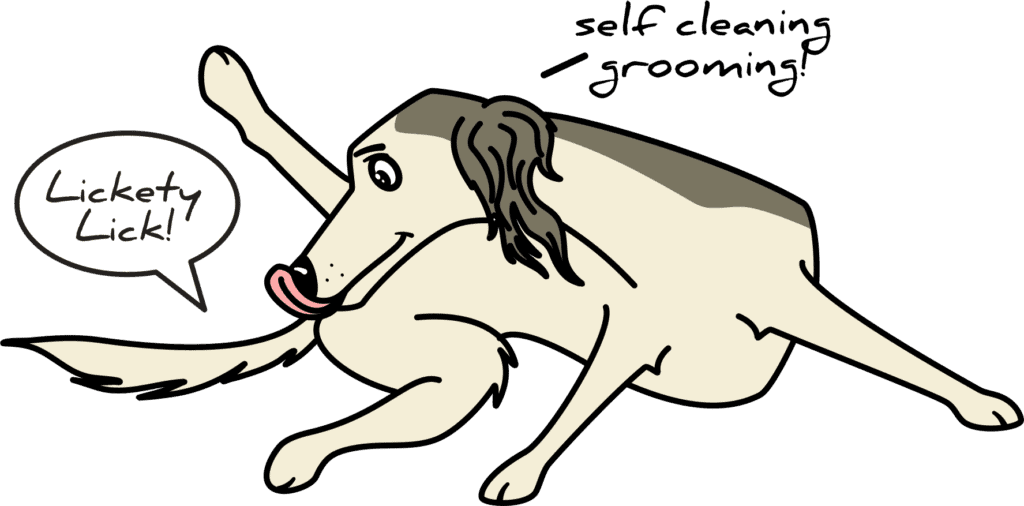
Grooming themselves and seeing to their own hygiene, can be a quick sign of “leave me alone, I’m busy right now”. It’s a way of essentially, introverting! Bringing their attention back to themselves and consequently discouraging engagement.
Think of this one as the “Oh, I’m washing my hair” excuse for not going on that date.
Looking away
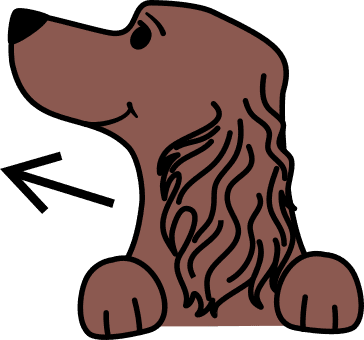
This is your dog’s way of disengaging with you and the situation. This is the first way of saying that they don’t want to be in this environment and that the cuddle might be something they’re not looking for right now.

Leaning away
If you can feel your dog pulling away? Then they’re not comfortable. Moving their body away is an attempt to leave the situation but to do it subtly. This one is very subtle, but it’s usually quite evident when you have all of your dogs weight leaning away from your body.
Aside from this, we should also be familiar with the ladder of aggression to ensure we’re not missing signals.
What Should I Do Instead Of Cuddling My Dog?
First, let your dog come to you. Your dog will come to you, they love you! But taking affection on their terms is really important. Because the more you allow this? The more they’ll actually give you. There are different ways, subtle ways that non-cuddly dogs seek that physical touch, whether that’s curled up at your side, a head on your lap, or laying on your feet, they’re all super subtle signs of a dog who is not necessarily a cuddle puppy. Remember, cuddle time doesn’t need to be intense!
Reward this with some gentle pets, and some gentle praise “Good boy/girl” or whatever you use, and if they elect to leave? That’s fine too. It might not be that they’re uncomfortable, it could also just be that they’re hot.
Small dogs can have their preferences ignored particularly easily because we can simply scoop them up. Being physically able to pick a dog up doesn’t mean they’ve agreed to being held or hugged, so I try to give them exactly the same opportunity to initiate and end contact as a bigger dog.
Should Children Hug Dogs?
I don’t encourage it. My 16-month-old wants to hug our dogs all the time, because to her that’s affection. We don’t allow her to, because we know our dogs and we know how they feel about being hugged.
That isn’t about teaching children to be frightened of dogs. It’s teaching them how dogs prefer to receive affection. A child can have a wonderful, affectionate relationship with a dog without putting their arms around the dog’s neck or bringing their face right alongside the dog’s face. And with children, I really don’t think guessing wrong about whether a dog is comfortable is worth the risk.
Also, another way to really show you respect your dog’s space, is to give them a dog bed that’s wholly theirs.
It’s why I usually advocate that even if your dog sleeps in your bed, or on your sofa. Because then the bed your dog has? Is their safe space. It’s where you can recall your dog from their bed, but you absolutely do not go sit on it. This gives option to seek space if they want it.

What Happens If I Cuddle A dog Who Doesn’t Want To Be Cuddled?
If a dog is repeatedly held when they’re trying to disengage, the likely outcome is that their earlier signals get missed and they may escalate to clearer warnings such as freezing, growling, snapping or biting. The goal isn’t to suppress those warnings; it’s to notice the quieter signs sooner and give the dog space before they need to escalate.
Associated Myths
1 – Being Affectionate With Your Dog Will Let Them Be The Alpha
Categorically not true. You can be affectionate with your dog (if your dog wants it!) without it negatively impacting your relationship. In fact? Usually respect and affection improve bonds, not interfere with them. Not to mention that “Alpha” is not something that applies to dogs as dogs are not pack animals, and they are not subject to a dominance style hierarchy.
2 – Dogs Shouldn’t Be Allowed On The Sofa/Bed
Allowing a dog on the sofa or bed doesn’t create a dominance problem. Whether you allow it should come down to practical considerations: your preferences, allergies or cleanliness, whether jumping is physically appropriate for your dog, and whether everyone in the household is comfortable with the arrangement.
3 – You Shouldn’t Sleep With Your Dog
Sleeping with your dog isn’t automatically good or bad for the relationship. If everyone sleeps well, your dog can get on and off comfortably, and there are no safety or health reasons to avoid it, it can simply be another form of closeness. If it disrupts sleep or creates practical problems, separate sleeping arrangements are completely fine too.
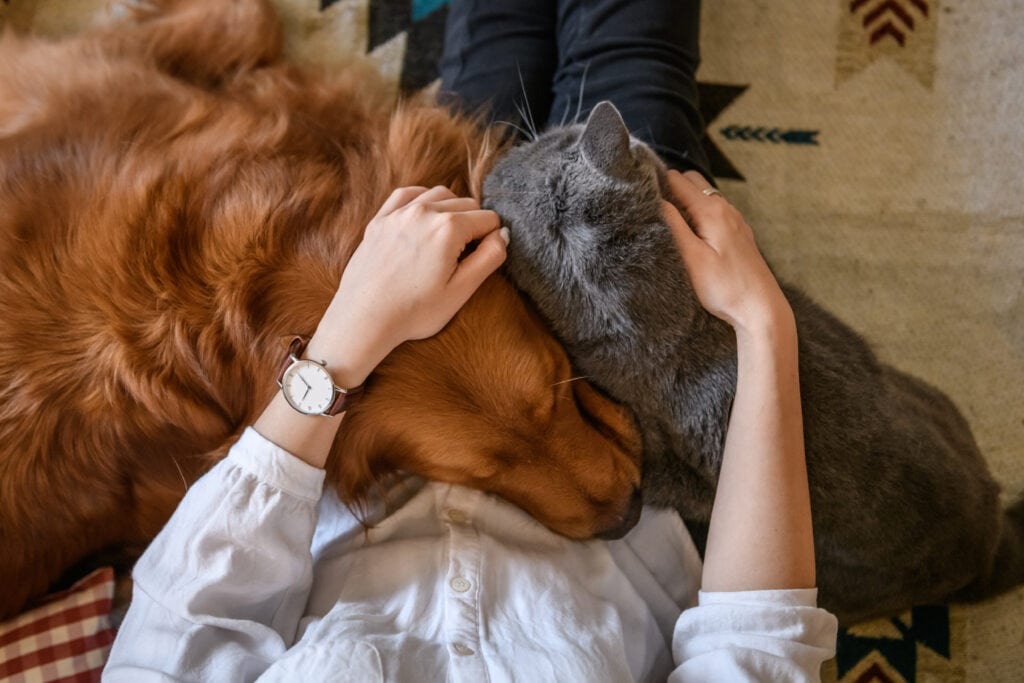
Listen to Your Dog’s Preferences
The best version of affection is the one your dog actually enjoys. For one dog that may be full-body snuggling. For another, it may be lying against your leg, sleeping at your feet or checking in with you and then wandering off again.
If you’re unsure whether your dog enjoys physical affection, use the consent check above and pay attention to the pattern over time. A dog who repeatedly chooses proximity, relaxes into contact and asks for more is giving you much better information than a dog who simply tolerates being held.
And remember that closeness isn’t the only sign of a strong relationship. If you want to look beyond cuddling, read 5 signs your dog has a strong bond with you.

Author, Ali Smith
Ali Smith is a professional, qualified, and multi-award winning trainer is the founder of rebarkable. She has always believed animals deserve kindness and champions force free methods. Believing that dog guardians will all choose the kindest options if proper information is provided, she aims to help all dog guardians who need it and make dog training as accessible as possible
Ali lives win Maryland, US with her husband and her three dogs.

![Why Does My Puppy Growl During Play? Pro Trainer Explains [2026]](https://rebarkable.com/wp-content/uploads/2023/04/Blog-Headers-Q1-2023-7-400x250.png)
0 Comments