The Reality of Smart Pet Products in 2026
I am a dog trainer, I live with three large dogs, and over the past several years, I have tested a frankly unnecessary amount of pet technology. Our home has served as a proving ground for everything from automated feeding systems and health monitors to GPS collars and digital safety nets.
Some of this technology has earned a permanent place in our daily routine. Some of it is highly useful, but only for a very particular type of dog parent. And a significant portion of it is simply ordinary household technology with a paw print slapped on the packaging and an extra twenty percent added to the price tag. Yes, I firmly believe there is a “pet tax,” and dog cameras are perhaps the clearest example of this phenomenon.
The right technology can make living with dogs safer, reveal meaningful changes in their health, and make routine care significantly easier. But here is the hard truth: absolutely nobody needs everything on this list. For instance, one of the best dog GPS trackers is genuinely essential for our household because we have two coonhounds, dense woodland, and the occasional gate disaster. An automatic feeder, on the other hand, is useful, but we could certainly survive without it.
As you read through these recommendations, I urge you to judge these products by a single, uncompromising standard: Do they solve a real safety, health, or convenience problem for your specific dog? If the answer is no, keep your money in your pocket.
Rebarkable may earn a commission from qualifying purchases made through links in this article. As an Amazon Associate I earn from qualifying purchases.
1. Fi Series 3 — Best Pet Tech Overall
Best for: Escape artists, hounds and rural homes. Tested: Long-term daily use. My verdict: The one piece of pet tech our household genuinely needs.
If I were forced to keep only one piece of dog technology and throw the rest away, it would be the Fi Series 3 GPS dog collar. If you want the original hardware-focused deep dive as well, my Fi Series 3 review covers the collar itself in detail. Our hounds are wonderful companions, but they are also absolute menaces when presented with an open gate, a damaged fence panel, or any brief window of opportunity. If that sounds familiar, I also have a full guide to managing an escape-artist dog.


One day while I was sick and deeply brain-fogged, I came home and accidentally left the front gate open. I forgot about it entirely and let the dogs out into the yard as I normally would. Lucy and Shelby, our two coonhounds, went straight through it without a second thought. Indie, my German Shepherd, stayed home because he is, apparently, the only professional in the household.
My husband was driving home from work at the time. He opened the Fi app on his phone, tracked their live route, calculated where their path intersected with his driving route, pulled over, called them, loaded them into his work truck, and brought them safely home.
On another occasion, we had a house guest who left the gate semi-latched. Lucy cheerfully finished opening it herself. The Fi system immediately alerted us to a boundary breach; I went outside, called for her, and she returned, aided heavily by the foundational recall work we had previously established.
Why does Fi beat competitors like Tractive for our family? Based on my extensive experience with the Series 3 hardware, Fi has simply been the better and “truer” tracker. It glitches far less often, its location updates feel more dependable, and crucially, it works reliably around our dense woodland property. The battery life outpaces the competition, and I vastly prefer the polished user interface of the Fi app. Furthermore, Fi integrates beautifully with 1.5-inch collars, which is vital when you have large dogs and require sturdy, heavy-duty gear setups.
Who It Suits
Escape artists, scent hounds, dogs with unreliable recall, rural or woodland homes, and families that hike frequently.
2. Maven — Best Dog Health Technology
Best for: Understanding stress, sleep and health patterns. Tested: Yes. My verdict: Meaningful health context rather than another step counter.
If Fi tells me where my dogs are, Maven helps me understand exactly what is happening inside them. While Fi offers broad activity tracking, Maven provides a much deeper, more nuanced behavioral and health insight that goes far beyond simple step counts. It monitors scratching patterns, heart-rate trends, resting periods, and activity levels with impressive accuracy.
As a trainer, I can easily recognize visible tiredness in a dog. But Maven shows me the vital data I cannot reliably observe with the naked eye. It tracks how a dog’s heart rate spikes during thunderstorms, and it precisely measures how long the dogs stayed awake pacing or panting during neighborhood fireworks. I have a separate guide to helping dogs cope with fireworks, because the wearable data is only one part of the solution.

Instead of waking up and thinking, “they seemed a bit stressed last night,” I can look at the data and see that their night was genuinely, physiologically disruptive. That objective data changes my entire approach the next day. It means less forced exercise, more unstructured sleep, fewer training demands, a quieter household routine, and a lot more grace from me when they act weird or irritable. Sometimes, a dog’s sensitivity or distraction is not a stubborn training problem—they are just exhausted.
Maven’s health monitoring is clinically validated, which is a massive distinction in a pet market flooded with attractive but medically useless dashboards. It absolutely does not replace a physical veterinarian or attempt to diagnose your dog. Instead, it helps you identify baseline norms and spot subtle behavioral patterns or deviations before they become major issues. Choose Fi for location safety; choose Maven for deeper health, stress, and recovery insight.
3. Tapo C210 — Best Dog Camera Without the Pet Tax
Best for: Barking alerts and checking in remotely. Tested: Yes. My verdict: A budget security camera does the useful dog-camera jobs without the pet tax.
I have used a multitude of expensive, heavily branded “pet cameras,” but I refuse to name them here because most dog parents simply do not need one. The markup on devices strictly branded for dogs is staggering, and the added features rarely justify the cost.
We use the Tapo C210. It is a standard, inexpensive pan-and-tilt home-security camera. We mount it in the shed when we have guest dogs staying over, we use it when we are out of the house longer than usual, we rely on it for barking alerts, and yes, I absolutely use it to check on the dogs from my bed at night.

The Tapo handles the useful jobs we need without the pet-camera upcharge. I do not need a device that mechanically throws treats across the room, nor do I need laser pointers or other pet-specific gimmicks that often cause more arousal and frustration than joy.
A quick note on two-way audio: it is not automatically beneficial. When I speak through a camera, Lucy and Shelby simply raise their heads in curiosity. Indie, however, becomes confused and mildly stressed. He can hear my voice, but he cannot see or smell me, which violates his understanding of how the world works. I minimize two-way audio usage with him completely. While some dogs may be reassured by a disembodied voice, others will frantically search the house or become agitated. Save your money and buy a high-quality, standard home-security camera unless a specific pet feature is truly a non-negotiable need for you.
4. Roborock — Best Household Technology for Dog Hair
Best for: Reducing daily dog hair and dirt. Tested: Roborock S5+; Saros 20 not yet tested. My verdict: Extremely useful, but it will not replace your proper vacuum.
Our Roborock S5+ does remarkably well at keeping up with the relentless shedding of three large dogs. I run it a couple of times daily, isolating it to different areas of the house. I do not run it through every open space at once because the dogs actively dislike it, a lingering apprehension possibly caused by a much older, louder, and clunkier robot vacuum we used to own.
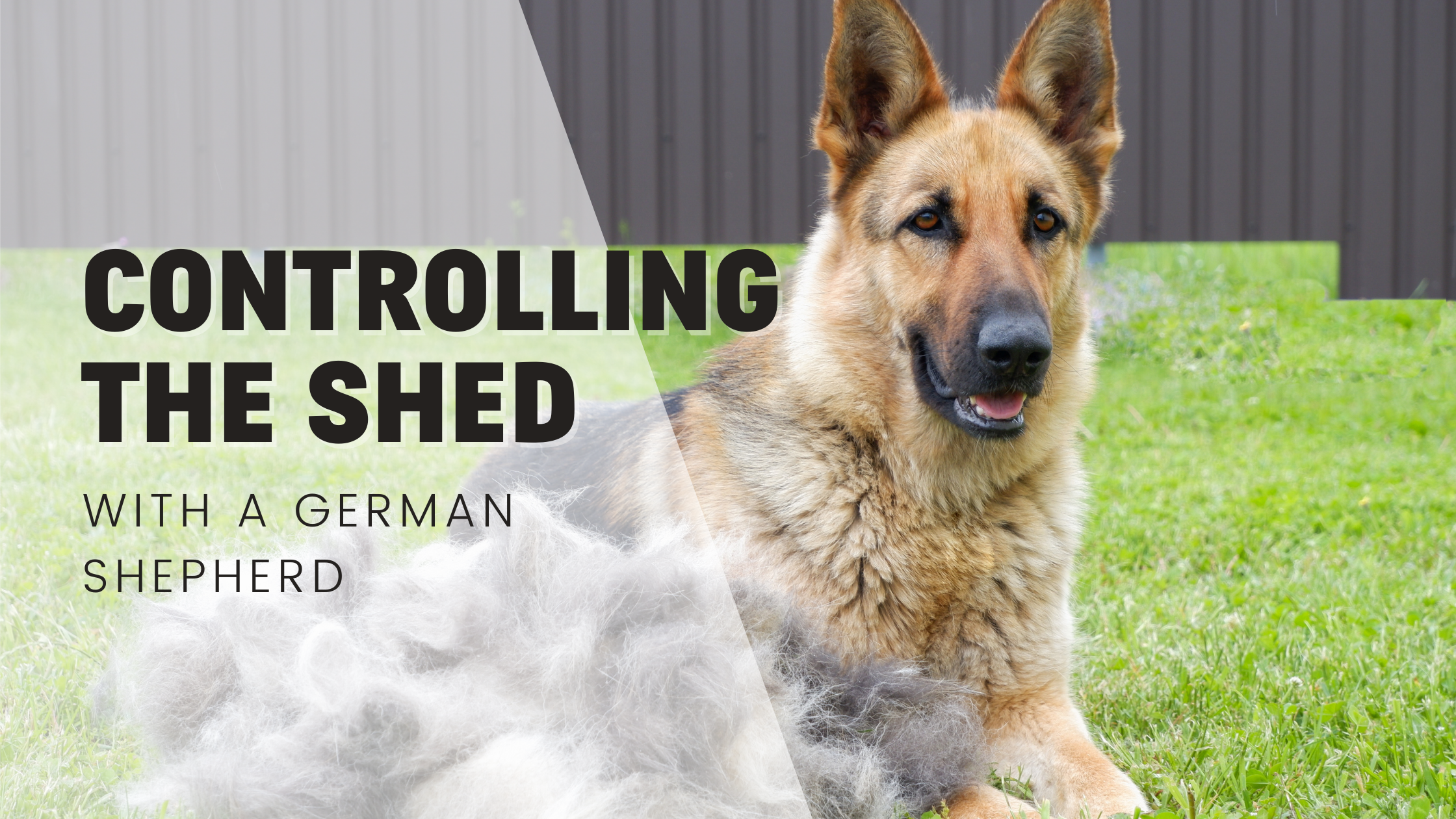
While I could certainly embark on a lengthy behavioral desensitization protocol to make them love the vacuum, moving the dogs to a different room while it runs is simpler, kinder, and highly effective because we have the space to do so. In dog training, environmental management is often the most sensible answer.
It drastically reduces the daily accumulation of hair, dust, and dirt, but let me be clear: it does not replace a proper, heavy-duty upright vacuum. It will miss things a human would catch, dog and human hair will inevitably tangle around the main roller brushes, and the unit requires consistent maintenance. It is an incredibly useful tool, not autonomous housekeeping magic.
I am currently lusting after the Roborock Saros 20 for its promised improvements in hair handling, advanced obstacle avoidance, mopping capabilities, and self-cleaning docks. But I have not tested it yet. The real question is whether self-cleaning mechanisms can actually survive the brutal reality of three large dogs, not whether it works flawlessly in a pristine marketing demo.
5. PETLIBRO Automatic Feeder — Best for Feeding Consistency
Best for: Portion control, reliable mealtimes and slower eating. Tested: Yes. My verdict: Buy the simpler version; the built-in camera is an unnecessary upcharge.
The genuinely useful part of an automatic feeder is not about disappearing and outsourcing your fundamental dog care duties. The PETLIBRO feeder helps us immensely with exact portion control, feeding consistency, and slowing down fast kibble eaters. Life happens—a work call runs twenty minutes over, the baby suddenly needs something urgently, time gets lost in the shuffle, and suddenly the dogs’ dinner is late. The feeder completely removes this inconsistency. Accurate portions can also support a sensible weight-management plan when a dog needs one.
The slow-feed tray attachment is genuinely helpful for gulping dogs. We previously tested the PETLIBRO Granary Smart Camera Feeder, but honestly, the camera is entirely gimmicky. Anyone invested enough in monitoring their dog to buy a camera-enabled feeder probably already owns a vastly superior security camera setup (like the Tapo). It is an unnecessary upcharge. I highly recommend purchasing the simpler, standard PETLIBRO feeder without a camera, provided it offers the same reliable portioning and slow-feed setup.

6. Pawp — Best Online Veterinary Support for Most Dog Parents
Best for: Practical guidance and reassurance between veterinary visits. Tested: Yes. My verdict: Valuable for most guardians; harder to justify if your dog-health knowledge is already unusually strong.
I am notoriously hard to impress when it comes to online veterinary services or telehealth apps. Because of my background, my animal first-aid skills and practical health knowledge are unusually strong (though I am absolutely not a veterinarian), and I am highly critical of vague, defensive advice. I do not need to pay a subscription fee just to have someone say, “You should go to the vet,” every time my dog does something odd.
Pawp genuinely impressed me because the veterinary professionals on their platform gave highly practical, usable, and nuanced advice. That matters immensely for dog guardians who are still learning what is normal, what questions to ask, and when professional or emergency veterinary care may be needed. It provides vital reassurance without treating every single question as an automatic, life-threatening emergency.

I did not keep the subscription long-term simply because my existing knowledge base means the service adds insufficient daily value to my specific life. My personal rule of thumb is this: if you rate your personal dog-health knowledge below an 8 out of 10, Pawp is probably a highly worthwhile investment. If you are at a genuine 8 or above, the recurring cost may be harder to justify. Please note, this is entirely a personal, arbitrary rule of thumb, not an official medical scoring system!
7. Waggle — Best Temperature-Safety Backup
Best for: Independent cellular temperature alerts. Tested: Yes, in our dog shed. My verdict: Useful redundancy when heating or cooling matters.
We use the Waggle temperature monitor in our climate-controlled outdoor shed to continuously confirm that the heating and cooling systems are working. The word “confirm” matters immensely here. A monitor does not create a safe temperature, nor does it replace reliable climate control equipment or active human supervision. It exists purely to alert you independently if environmental conditions suddenly change.
While we also have a camera in that space (which sometimes includes temperature data), these devices serve distinctly different purposes. Redundancy is critical when lives are on the line. Waggle operates using its own dedicated cellular connection, meaning that our environmental monitoring does not automatically fail if the shed’s Wi-Fi router crashes or loses power.
I do not have a dramatic rescue story involving the Waggle, and that is exactly the point. I bought it so that I hopefully never need one. Its entire value lies in quiet, background reassurance and an independent alert if the temperature moves outside the range I set. It is a fantastic backup for climate-controlled sheds, outbuildings, RVs, and kennels, but it is never permission to leave a dog in an inherently unsafe environment.
8. PetSafe Automatic Ball Launcher — Best Interactive Play Technology
Best for: Short, supervised fetch sessions. Tested: Yes, with Indie. My verdict: Fun, but it should not replace playing together or enable endless fetch.
We used the PetSafe Automatic Ball Launcher extensively back when Indie was younger and could still comfortably play high-impact fetch. It was incredibly fun, and sometimes, technology can justify its place in your home simply through the joy it brings. The PetSafe unit offers multiple distance and angle options, front motion sensors designed to reduce close-range launches, and an automatic rest period that helps interrupt nonstop play.
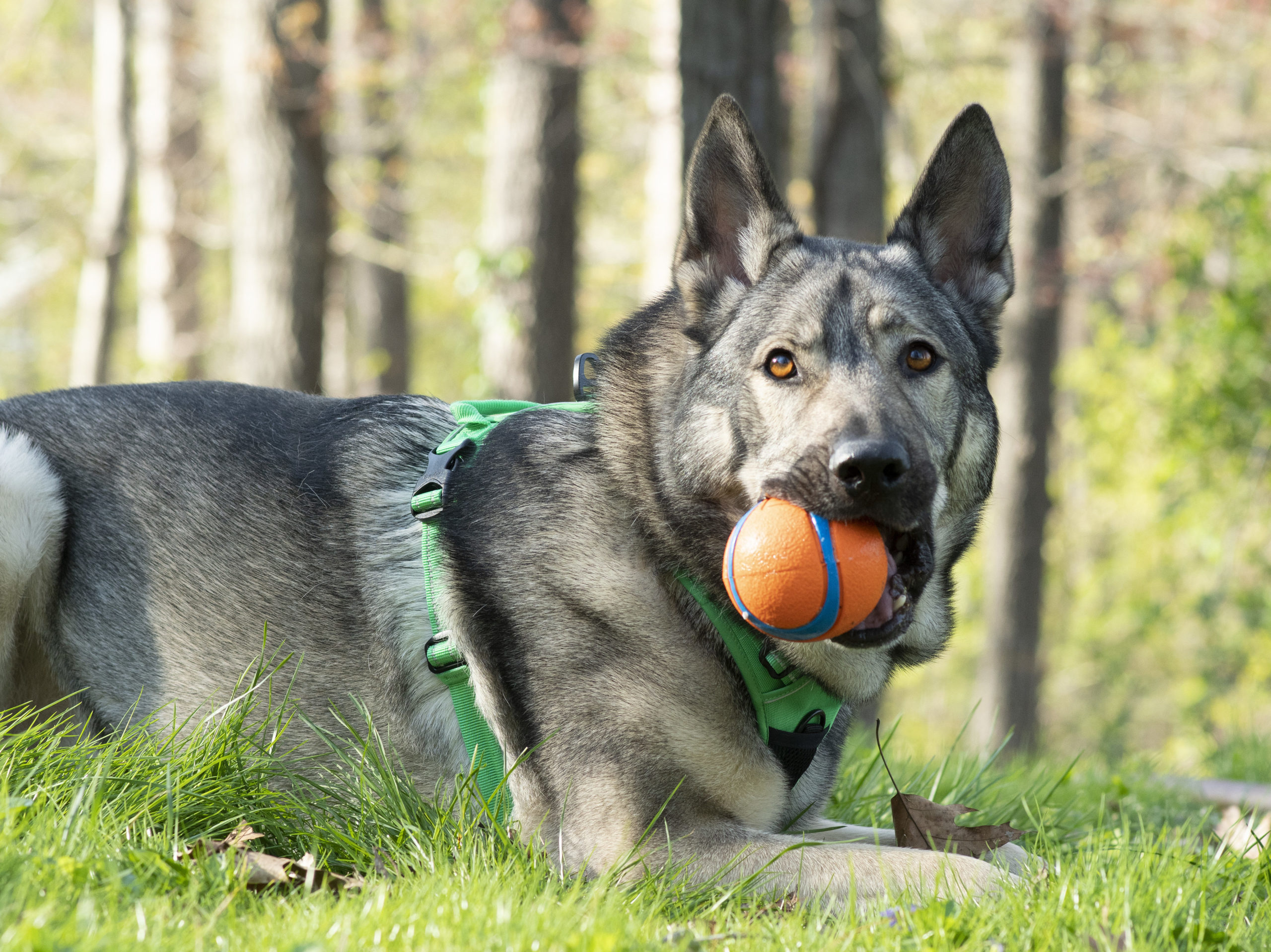
However, as a trainer, I have two major reservations. First, an automated launcher removes me from the equation of playing ball with my dog. Fetch is supposed to be a shared, cooperative interaction that builds a bond, not just mindless physical exercise. Second, I deeply wish the machine accepted larger balls. Indie is a very large German Shepherd. Standard tennis-ball-sized objects can easily slip backward and lodge in a large dog’s throat, creating a potentially fatal choking hazard. Every large-dog guardian should know what to do if a dog is choking. Additionally, you should thoroughly discourage the use of actual tennis balls: the abrasive outer felt can wear down tooth enamel over time, and the standard sizing is a risk for giant breeds.
Automatic launchers can unintentionally encourage repetitive, chronic high-arousal play, particularly with high-drive dogs. Unlimited, manic fetch is not automatically physically or psychologically healthy for a dog. If you use one, commit to short, closely supervised sessions, enforce strict breaks, incorporate sniffing or calmer activities to help the dog decompress afterward, remove the ball when the game is done, and absolutely do not let the machine launch balls until the dog is driven to the point of exhaustion.
Coming next: How to Play Fetch Without Creating a Ball-Obsessed Dog
9. SpotOn — Best Specialist Satellite Fence
Best for: Large or remote properties where physical fencing genuinely is not possible. Tested: Yes. My verdict: Technically reliable, but most dog parents should install a physical fence instead.
When testing virtual containment systems, SpotOn worked significantly better than Halo on our remote property and difficult, uneven terrain. The GPS mapping was highly reliable, the physical construction of the unit was solid, and the collar itself was reasonably trim compared to older, bulkier models. I rigorously tested its everyday usability, battery life, and boundary performance while walking my dogs on long lines.
Let me be transparent: I measured the static correction output using a digital oscilloscope rather than subjecting my dogs to terminal shock levels to see what happened. Based on the data, it delivered the staged output exactly as the manufacturer claimed. Technically, the hardware works beautifully.
Ethically, however, satellite fences are incredibly complicated. The use of static correction directly conflicts with my positive-reinforcement training methodology. I’ve explained my concerns about electronic collars and aversive training in more detail elsewhere. Furthermore, the pre-correction warning tones and vibrations are not automatically “harmless”—once a dog learns that a beep predicts an unpleasant shock, the beep itself can become a highly aversive, fear-inducing stimulus. For these reasons, my first, second, and third recommendation will always be a solid physical fence, including temporary or renter-friendly physical barriers. My comparison of invisible fences versus physical fencing explains why.
But the reality of safety must be practical. Some guardians genuinely cannot install a physical fence due to zoning laws, extreme terrain, or nomadic living in RVs. In those highly limited, specific cases, SpotOn is a solid piece of engineering, and I choose it over Halo for large or remote properties. SpotOn is best suited for properties of about an acre or more; it is absolutely not designed for the average suburban dog parent who could easily install a standard physical barrier.
10. Pawport — The Dog Technology I Most Want to Test
Potentially best for: Controlled indoor/outdoor access and guest-dog separation. Tested: Not yet. My verdict: Promising—but it must prove reliable, dog-proof and safe during outages.
I have not used Pawport yet, so please do not treat this section as a tested, verified recommendation. However, it is the most intriguing piece of upcoming tech on my radar. I intend to install it in our outbuilding to seamlessly control guest-dog access between indoor and outdoor spaces.
My goal is to maintain automated, secure separation from our resident dogs without having to repeatedly open heavy doors manually or accidentally creating a scenario where unfamiliar dogs make unwanted contact.
Before I can recommend it, Pawport must prove consistent mechanical operation, demonstrate sensible behavior during sudden power or Wi-Fi failures, exhibit total wildlife resistance, and prove its physical durability against large, stressed, or destructive dogs. Manufacturer claims of being “bulletproof” rarely equate to being truly “dog-proof.” Can the locking mechanism cope with a determined pit bull desperately wanting to get to the opposite side? Does it make a safe, predictable decision when power or Wi-Fi fails? We will eventually find out. Until it passes those trials, it remains the most promising untested product on my horizon.
How to Build Your Dog’s Tech Stack
Readers do not need ten different devices pinging their smartphones with push notifications. Start by identifying the actual problem you are trying to solve in your home.
Always question every “smart” feature before you pay for it. A built-in camera on a dog food feeder is almost entirely redundant for most homes, while a dedicated cellular backup on a temperature monitor adds meaningful safety redundancy. Technology should solve a problem efficiently, not merely create another app to check, another subscription fee to pay, and another charging cable to lose.
Final Verdict on 2026 Pet Tech
For our household, the Fi Series 3 remains the best and most essential pet technology. It actively helped recover Lucy and Shelby after our open-gate disaster, it has proven more reliable than other trackers I have used, it powers through dense woodland, and it accommodates heavy-duty 1.5-inch collars.
Maven stands out as the most genuinely useful health technology, revealing invisible patterns like storm-induced heart-rate spikes and firework-related sleep disruption. Meanwhile, the Tapo camera is the absolute best example of successfully rejecting the “pet tax” while perfectly executing the monitoring jobs required.
Everything else on the market depends entirely on your specific dog, your household dynamics, and the exact problem you face. Buy technology because it actively improves your dog’s safety, offers meaningful health insight, or provides recurring convenience—not just because a company printed a cute paw print on the side of the box.



0 Comments