Training two puppies at once sounds efficient. You have two puppies, one bag of treats and one training session. Surely you can just teach both of them at the same time?
Sometimes, yes.
But if you’re raising two puppies together — particularly littermates or puppies of a similar age — I want you to think of them as two individual training projects who happen to share a home.
I’m a professional dog trainer and behavior consultant, and I’ve also raised littermates myself. Lucy and Shelby grew up together, so I know that “just train them separately” is perfectly sensible advice until you’re the person trying to work out what to do with Puppy B while Puppy A gets their turn.
The good news is that you don’t need to duplicate every second of your day. You do, however, need enough individual training that each puppy learns to listen, think and cope without relying on the other.
If you’re still deciding whether two puppies are right for you, read Should You Get Two Puppies at Once?. If you already have your pair, it’s also worth understanding littermate syndrome and why independence matters.
Should You Train Two Puppies Together or Separately?
Start by training them separately.
That doesn’t mean every training session for the rest of their lives has to happen behind closed doors. It means each puppy needs to learn the foundations without their sibling becoming part of the cue, distraction or reinforcement.
When I work with one puppy at a time, I can see what that puppy actually understands. I can adjust the difficulty for them, reinforce them at the right moment and notice when they’re confused, tired or overwhelmed.
With two puppies in the same session, it’s incredibly easy for one to copy the other, compete for food or attention, interrupt constantly, or simply become background noise while the more confident puppy does all the work.
What Should Two Puppies Learn Separately?
I would build most foundation skills individually first.
- Name recognition and attention
- Recall
- Loose-lead walking
- Settling and resting
- Handling and grooming
- Crate or pen skills
- Being comfortable alone
- Basic cues such as sit, down and wait
- Confidence around new places, people and appropriate dogs
- Engaging with you around distractions
Once each puppy understands a skill independently, you can begin practising some of those skills with both dogs present. That’s a much easier progression than trying to teach the skill and teach them to ignore their sibling simultaneously.
What Do I Do With the Other Puppy While I’m Training?
This is the practical question that gets skipped far too often.
The other puppy needs something appropriate to do somewhere they can cope without constantly watching or trying to join the session.
Depending on your setup and the individual puppies, that might mean resting in a pen, settling in another room, enjoying an appropriate chew or food toy, spending time with another member of the household, or having a nap.
In fact, this can be useful training in itself. One puppy learns with you while the other learns that they don’t have to participate in everything their sibling does.
Don’t expect a puppy who has never practised being apart to suddenly relax happily while you train their sibling for twenty minutes. Build the skill at a level they can actually manage.
Keep Individual Puppy Training Sessions Short
You don’t need two hour-long training sessions every evening.
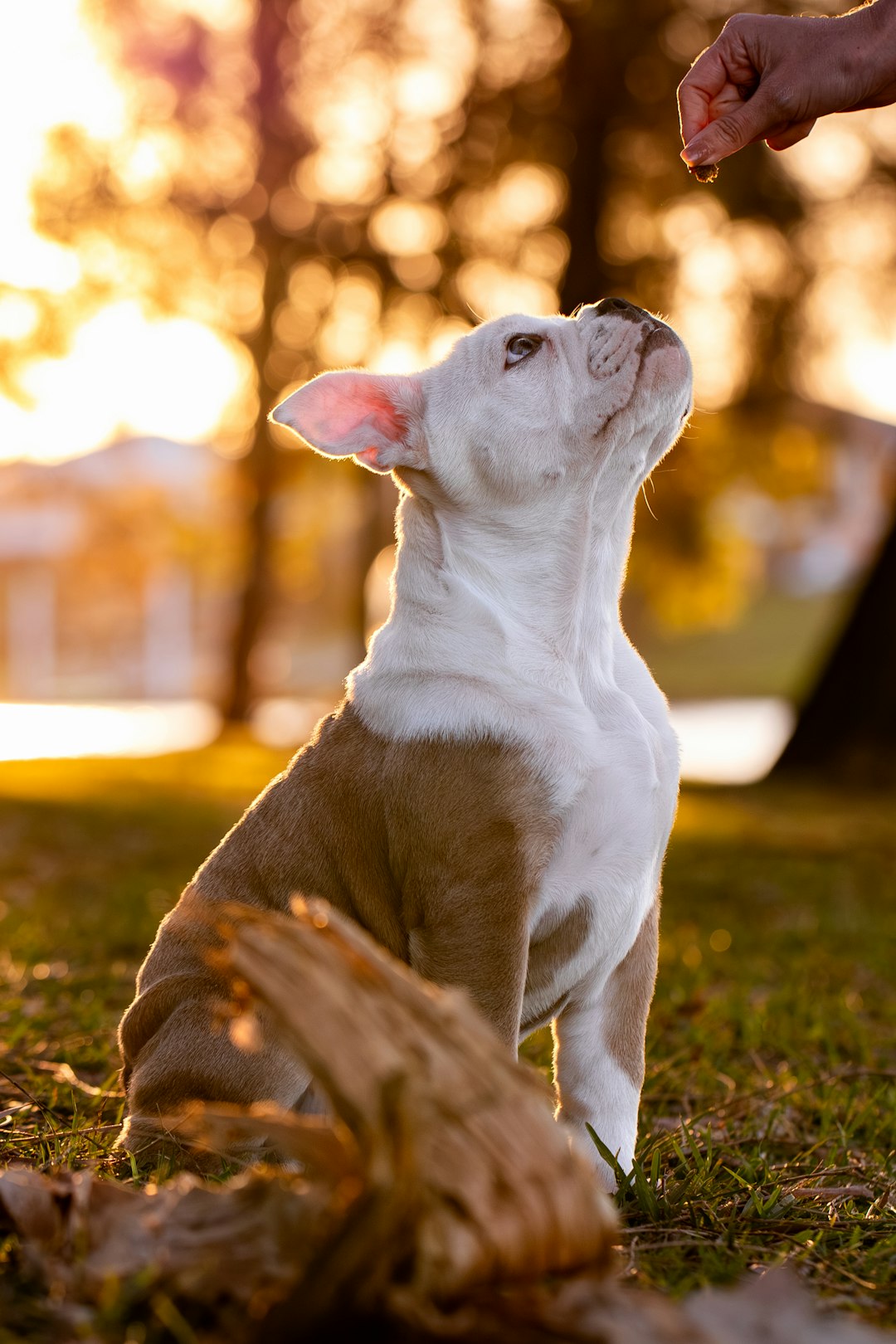
Puppies learn beautifully through short repetitions woven into normal life. A minute or two of recall practice, a tiny handling session, a few repetitions of settling on a mat or some lead skills on the way outside all count. This fits with the American Veterinary Society of Animal Behavior’s guidance on humane dog training, which recommends reward-based methods for training and behavior work.
That makes training two puppies much more realistic.
Instead of imagining that every skill requires a formal session for Puppy A followed by an identical formal session for Puppy B, look for small individual opportunities throughout the day.
Use Their Names Properly
When two dogs live together, their names need to mean something.
Practise each puppy responding to their own name individually before expecting them to distinguish “Lucy” from “Shelby” while they’re wrestling across the living room.
Once that foundation is strong, practise with both puppies present. Say one puppy’s name, reinforce that puppy for responding, and make it worthwhile for the other puppy to wait rather than barging in.
This becomes incredibly useful later when you need to cue, recall or redirect one dog without automatically acquiring both.
Train Recall Individually First
Recall is one of the clearest examples of why separate training matters.
If Puppy A only comes because Puppy B started running toward you, you don’t yet have two recalls. You have one puppy who understands the cue and another puppy who follows their sibling.
Build a reinforcement history with each puppy independently. Each dog should learn that responding to you is worthwhile regardless of what the other puppy is doing.
Then you can gradually practise recalls with both dogs present and eventually call one dog at a time.
Walk Your Puppies Separately Too
Training doesn’t stop when you leave the house.
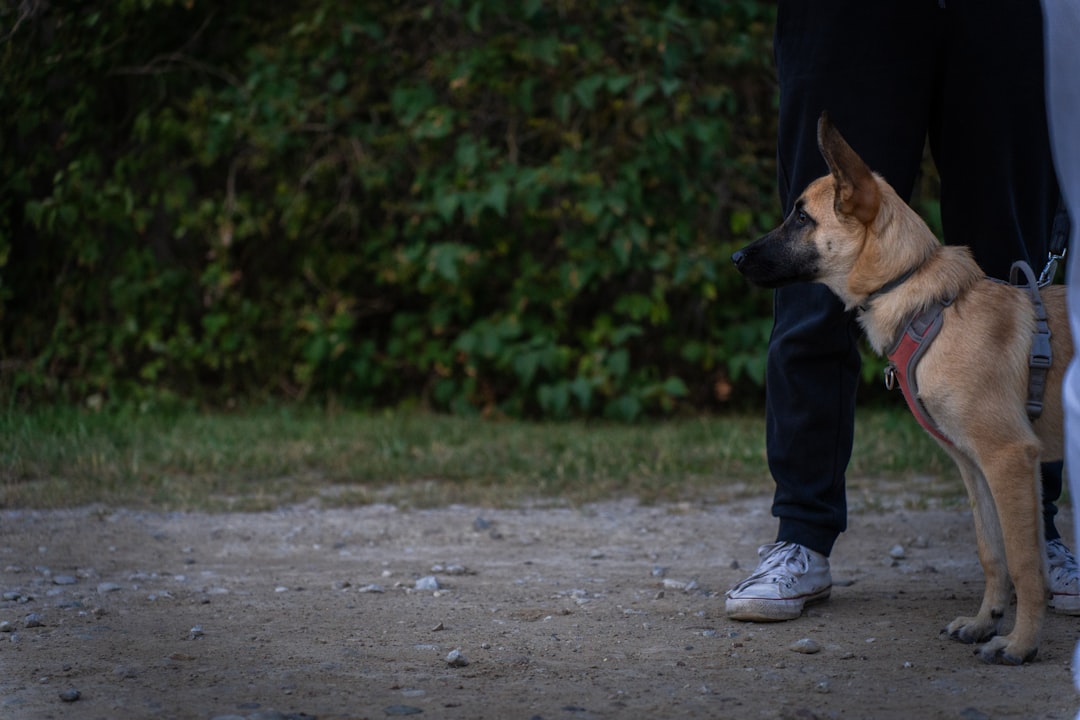
Separate walks give each puppy a chance to practise lead skills, check in with you, explore at their own pace and process the environment without their sibling influencing every decision.
It’s also much easier for you to learn each puppy’s individual body language when you’re handling one dog rather than two.
Some walks can eventually happen together. But I wouldn’t make joint walks the only way either puppy experiences the world.
Socialise Two Puppies Individually
Take the same approach to socialisation.
Two puppies encountering something new together can look confident while one is actually relying heavily on the other. Individual experiences let you see how each puppy genuinely feels.
They don’t need enormous adventures every day. Small, appropriate experiences count: a short car ride, watching the world somewhere quiet, meeting a suitable person, exploring a new surface or visiting a different environment.
My guide to socialising a puppy before vaccinations has more ideas for doing this safely.
Can You Ever Train Two Puppies Together?
Of course.
Once each puppy understands a behavior individually, training together becomes another useful layer of difficulty.
You might practise both puppies settling on separate mats, waiting while the other puppy works, responding to their individual names, taking turns, or performing simple known cues around one another.
The important distinction is that together-training is a progression, not the foundation.
I want Puppy A to know how to settle before asking them to settle while Puppy B is receiving chicken three feet away.
Should Two Puppies Go to the Same Training Class?
Usually, I prefer each puppy to have opportunities to learn independently.
A class already contains plenty of distractions: unfamiliar dogs, people, smells, noises and a new environment. Adding their sibling can make it harder to tell whether each puppy is actually learning and coping well.
If logistics allow, separate classes or separate handlers can be valuable. The right answer depends on the puppies, the class setup and how comfortable each dog already is working independently.
Whatever you choose, don’t let class become the only individual training either puppy receives.

How Do You Crate Train Two Puppies?
I want each puppy to be capable of settling independently rather than requiring their sibling beside them in order to sleep.
That doesn’t mean shutting two puppies away separately on night one and ignoring distress. Crate and separation skills should be built positively and progressively.
Separate sleeping and resting arrangements can be an important part of developing independence, particularly when you’re raising littermates.
For the mechanics of introducing a crate positively, see my step-by-step crate training guide.
Don’t Let One Puppy Become the Other Puppy’s Teacher
Puppies absolutely learn from one another. Sometimes that’s convenient. Sometimes it’s how you end up with two puppies sprinting toward the same questionable object at impressive speed.
More importantly, I don’t want one puppy’s confidence, fear or behavior to become the other puppy’s primary source of information about the world.
Each puppy needs their own experiences and their own relationship with you.
That’s one of the reasons littermate syndrome isn’t really about whether dogs share DNA. Similar problems can occur when two young dogs are raised as an inseparable unit.
Training Two Puppies Is Mostly a Management Problem
The individual training itself isn’t particularly mysterious.
The difficult part is logistics.
Who rests while you train the other puppy? When does each puppy get an individual walk? How do you fit separate socialisation into your week? What happens when one puppy struggles with separation? Which activities can they safely do together, and which ones should remain individual for now?
That’s also why preventing dependency is more than simply knowing that separate training is a good idea.
I’ve put the core prevention principles into my guide to preventing littermate syndrome. If you’re raising a pair, start there alongside this training advice.
Make Two Puppies Into Two Dogs
If there’s one idea I want you to take away, it’s this:
Don’t train “the puppies.” Train Puppy A. Train Puppy B. Then teach Puppy A and Puppy B how to work around one another.
They can still play together. They can still cuddle. They can still grow into dogs who genuinely enjoy sharing their lives.
But each puppy should also learn that they can walk out of the door without their sibling, work with you without their sibling, rest without their sibling and navigate the world as an individual.
If you’re looking at that list and wondering how you’re supposed to fit all of it into an actual day, that’s the part my Littermate Syndrome Prevention Guide is designed to help with: turning the principles into a workable plan rather than leaving you to improvise two puppyhoods at once.



0 Comments